Distance Learning with MMAO

Mponda, Elineema, Zacharia, and Kai met today for the weekly MMAO Ambassadors team call. The focus of our call today was distance learning, and how best to engage the students at the respective schools there are so many challenges.

Mponda relates that his daughter was given a “holiday education” package by her school before departing a few weeks ago. She has tasks to accomplish, but there is no interaction with other students, and as such is a bit isolated. A combination of the work packages and on-line interactions will be a good balance.

The teachers are without pay since the start of March, and no promise of future pay this quarter. The students are at home. While most Tanzanian’s have cell phones, most are not smart phones. Ailanga is a bit different, with maybe 80% of the students’ parents having smart phones, but almost no one has a computer. And then there is the issue of internet bundles, the cost of being on-line. Most everyone has Gmail in order to use Android, but email is not commonly used for communication and usually goes without response.

Teaching faculty are pressing upon the school management to develop distance learning programs. But as the schools do not have a means to reach the students other than by calling their parents, progress has been slow. Despite no pay and these high barriers, Zacharia at Ailanga and Elineema at Makumira have succeeded in reaching out to many of their respective students.

They have used WhatsApp to reach the handful of students with whom they were already in contact, who in turn reached out to many more. As such, Zacharia now has more than 50 students in a WhatsApp group where he engages them in suggested reading, studies, and homework assignments. When complete, they send cell phone photographs over WhatsApp. So far, this is working but it gets a bit complex as the number of engaged students grows.

In our call we explored various platforms used worldwide for team meetings and distance learning: WhatsApp, Zoom, Slack, and managed web pages. I added new user accounts for Mponda, Elineema, and Zacharia at mmao.space such that they now maintain their own pages where they can post PDFs, images, reading content, and a link for delivering homework.

For their own homework, the Ambassadors are going to explore Slack and build upon the web page foundation we build during our Skype session.

As we refine our systems and methods, we’ll update here, at MMAO.space.
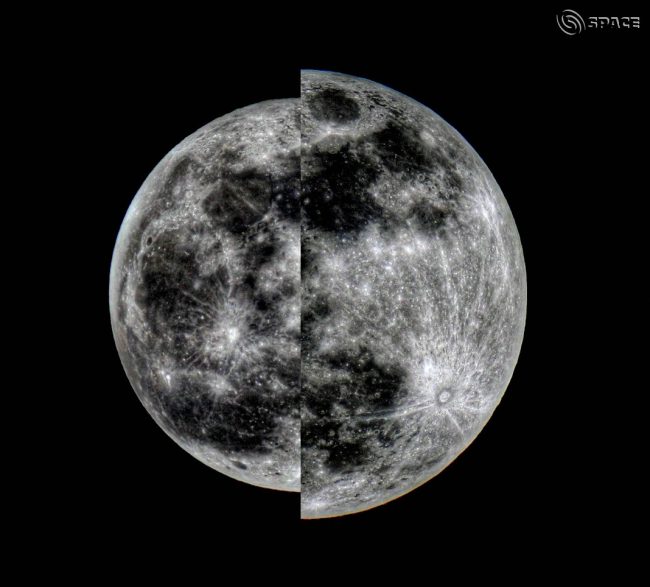
The biggest, brightest super Moon of 2020!

Tonight we can enjoy the biggest, brightest super-moon of 2020!

An introduction the event is provided at EarthSky

Full moons at apogee, or farthest from Earth (left) and perigee or closest to Earth (right) in 2011. Composite image by EarthSky community member C. B. Devgun in India. Thanks, C. B.! Using the eye alone, it’ll be difficult to notice any size difference in the full moon of April 7-8, 2020. But moon-watchers might notice that this is a very bright full moon! Plus Earth’s oceans will feel an extra pull.

In addition, Dan Heim provides us with a spellbinding timelapse video of the Moon taken by NASA’s Lunar Reconnaissance Orbiter (LRO). Go to How the Moon Changes for this engaging video and Dan’s full explanation.

The great questions students ask!

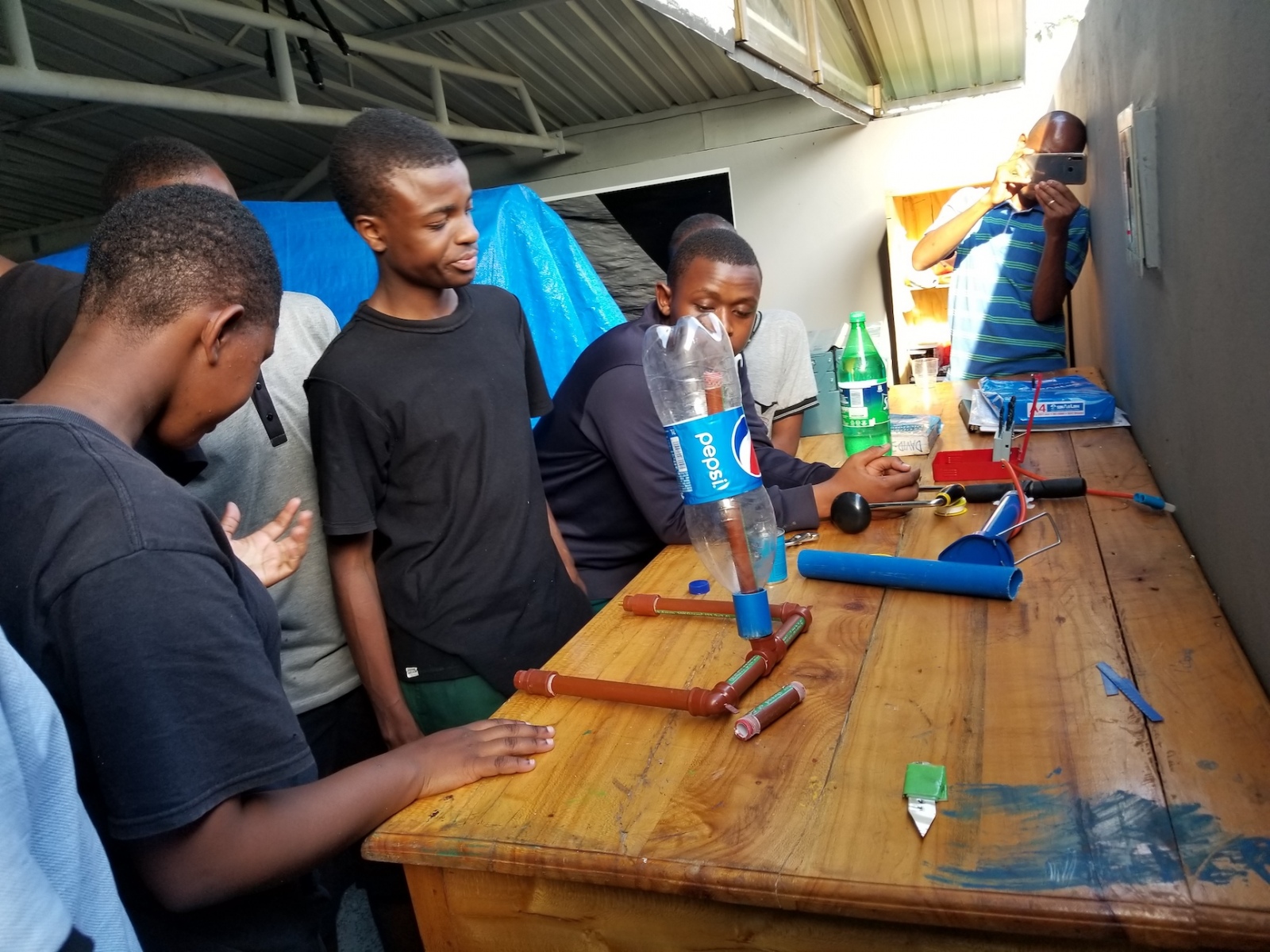
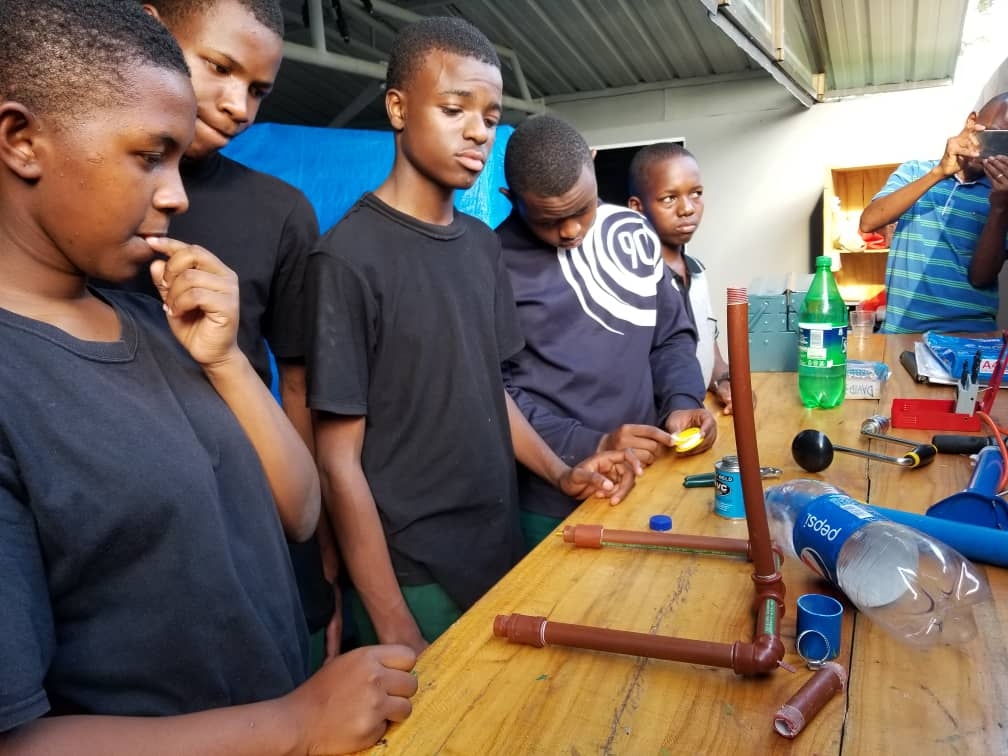
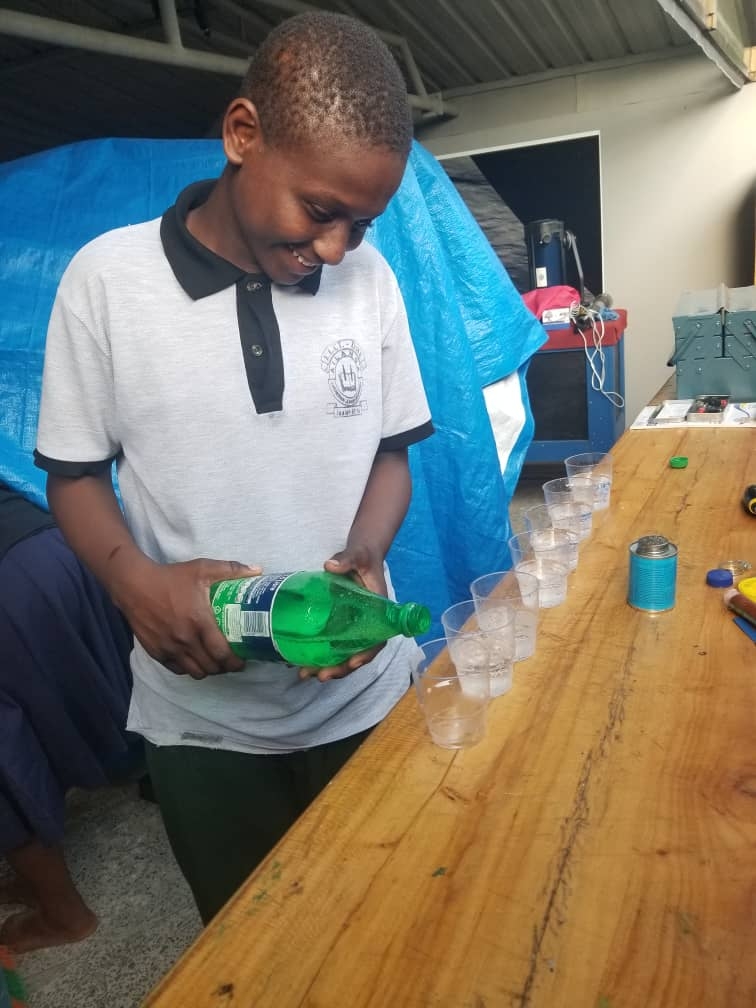
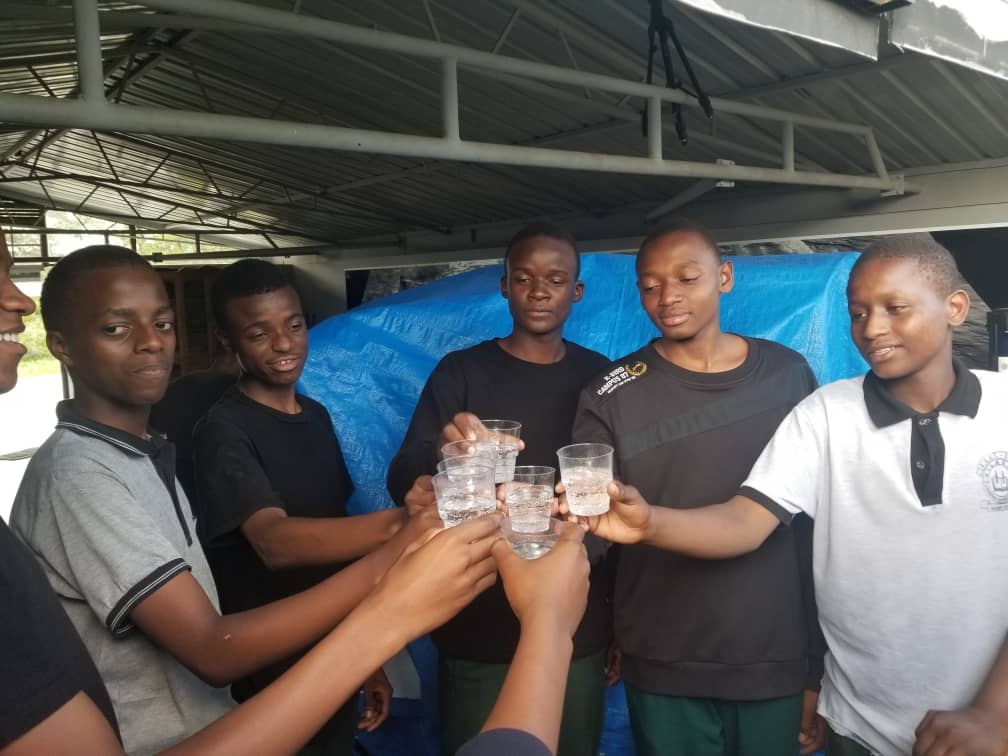
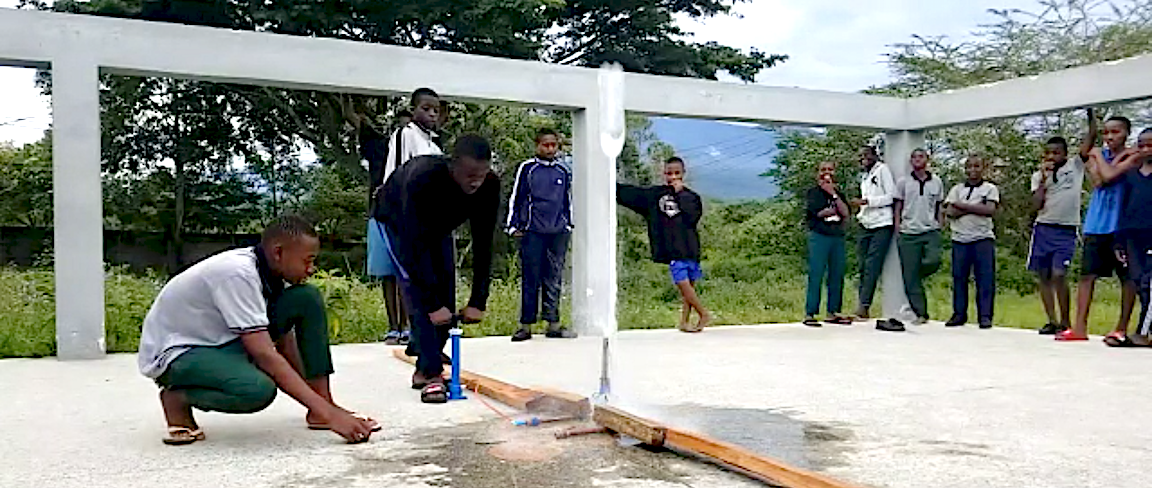
“I am very happy to share with you my final report of what I was planning to do with my students since last week, that we have managed to launch our water rocket yesterday but it was a day of trial and error. It helped us to identify our mistakes so that we can improve them. I know that this can make someone to blast with laughter but we are very happy as through practice make us to be perfect.

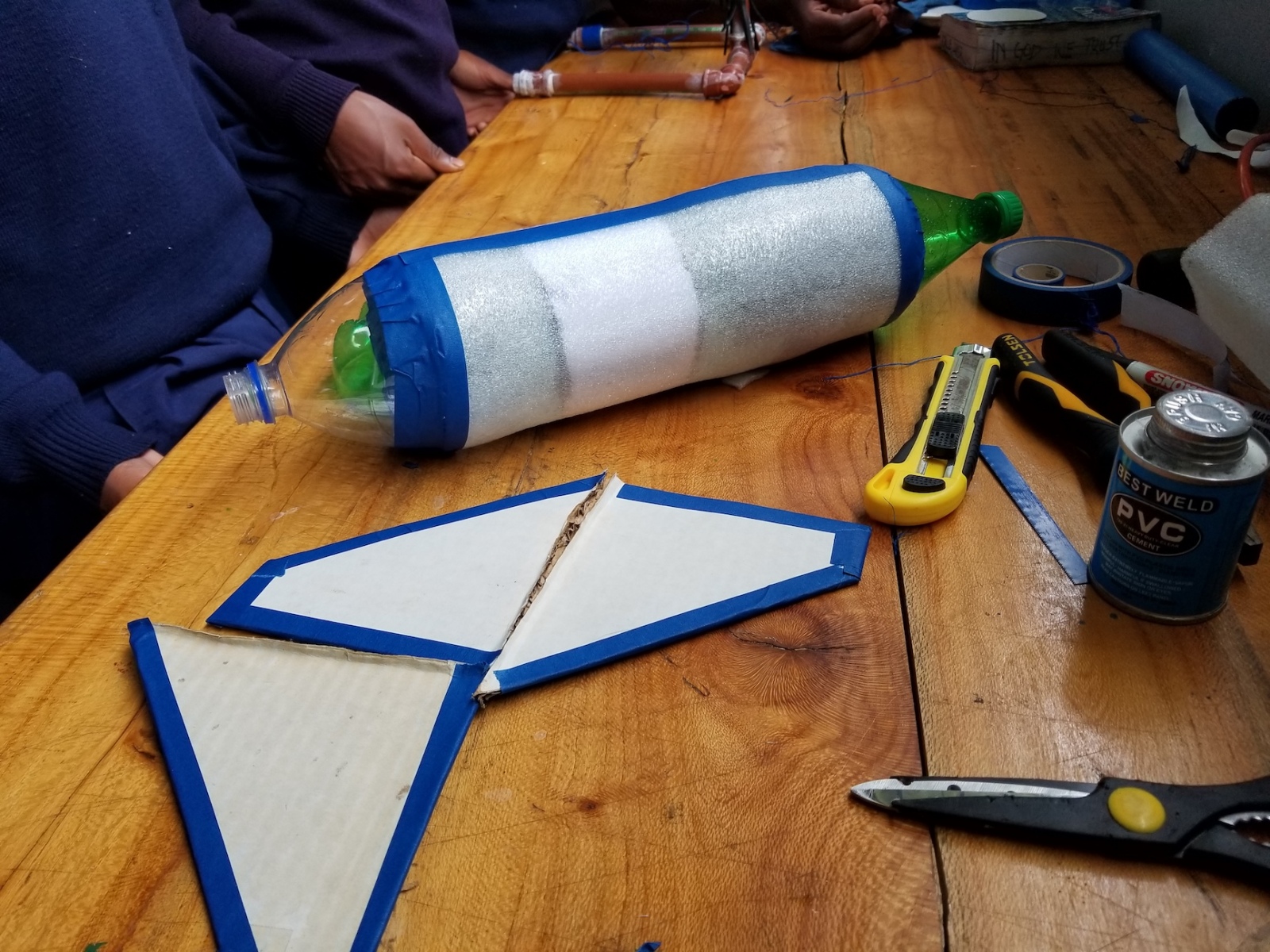
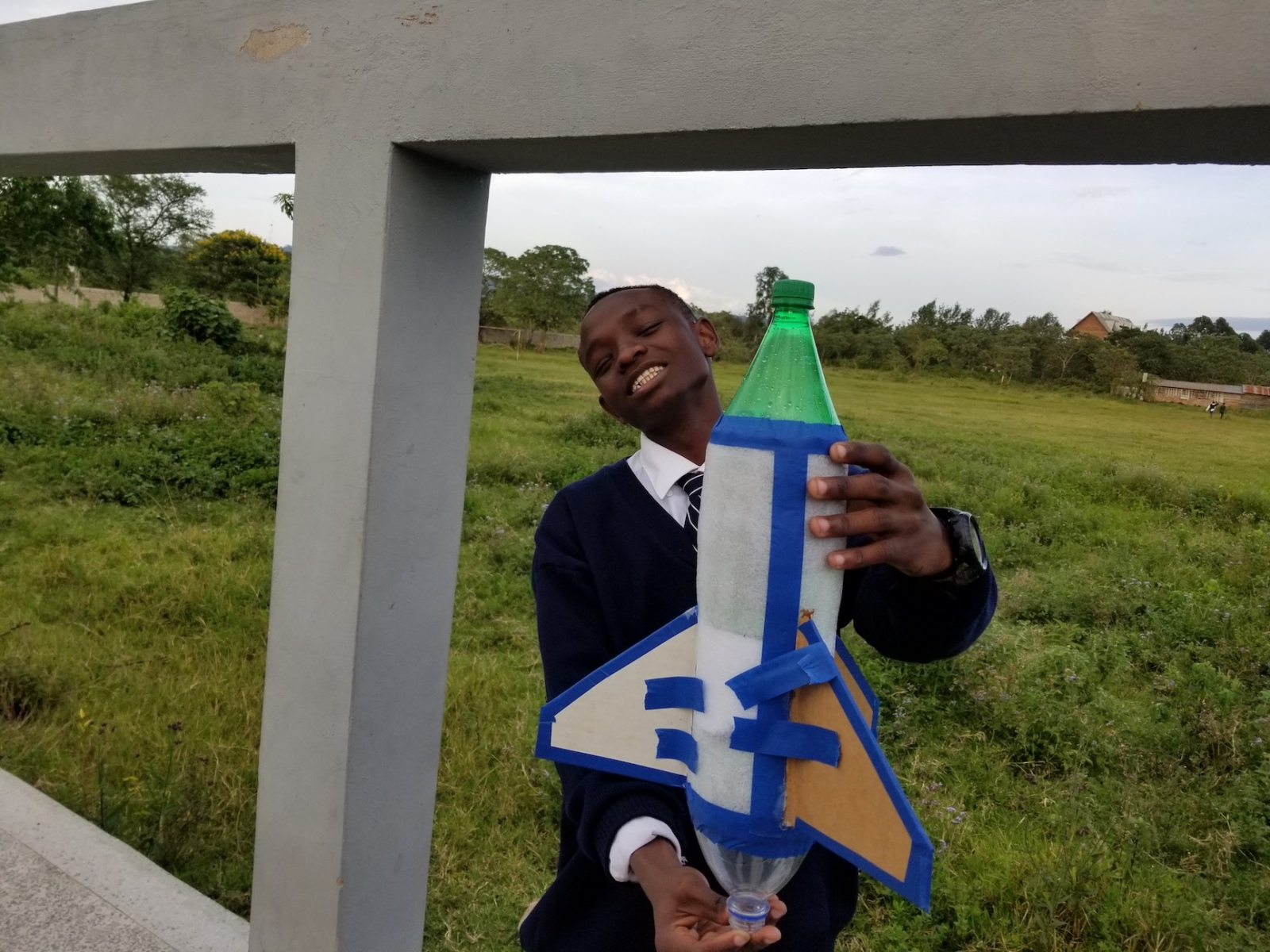
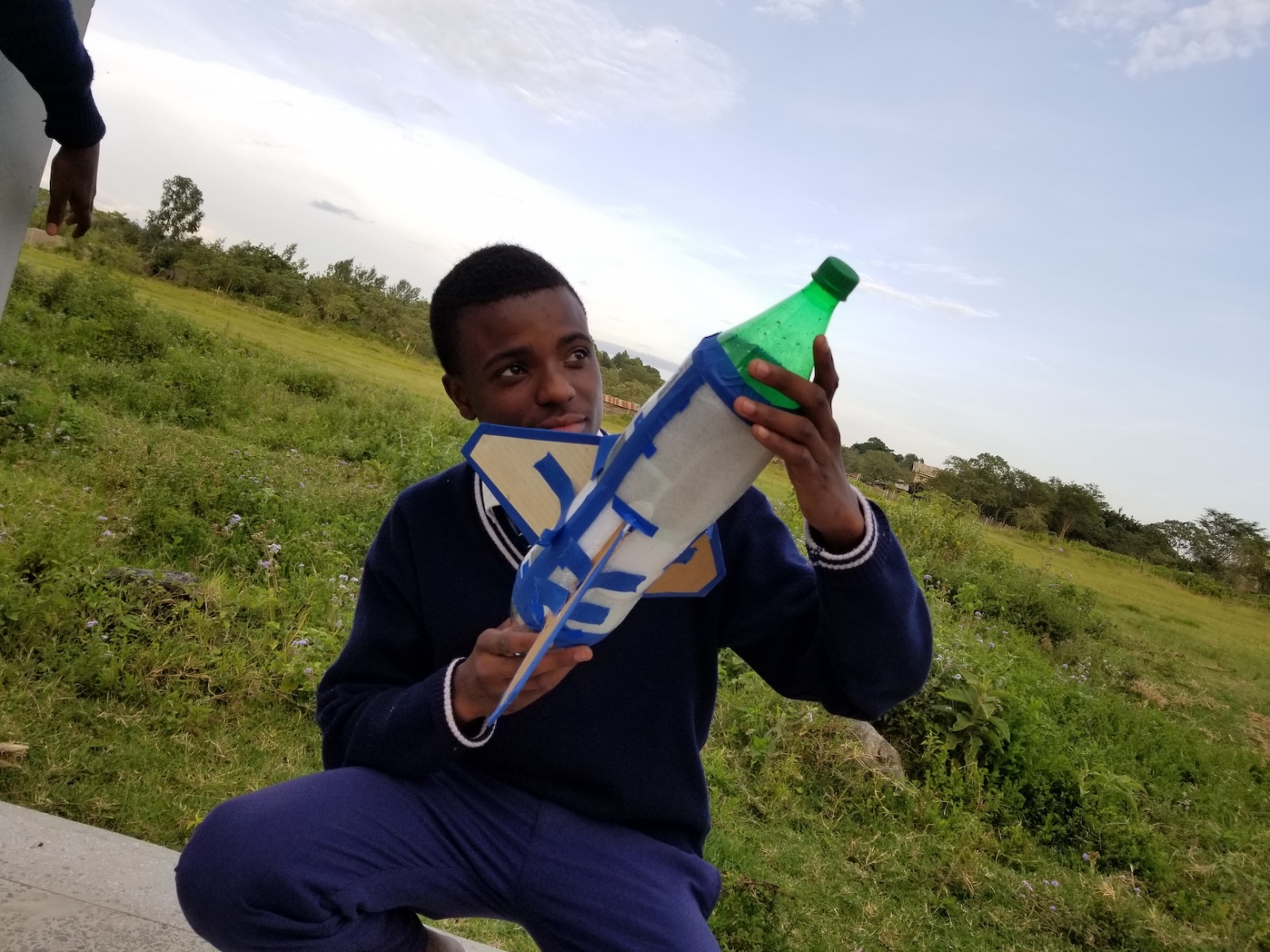
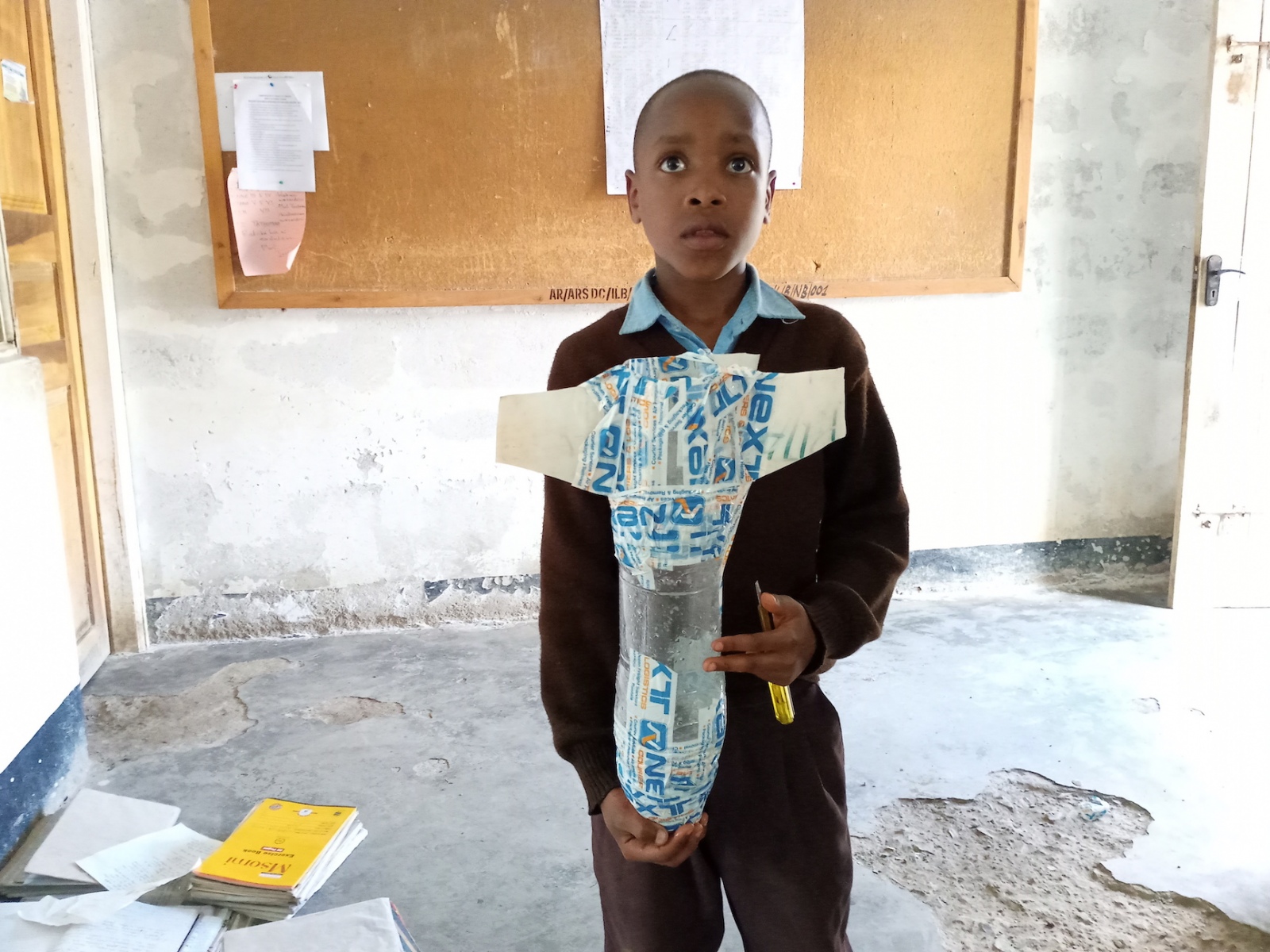
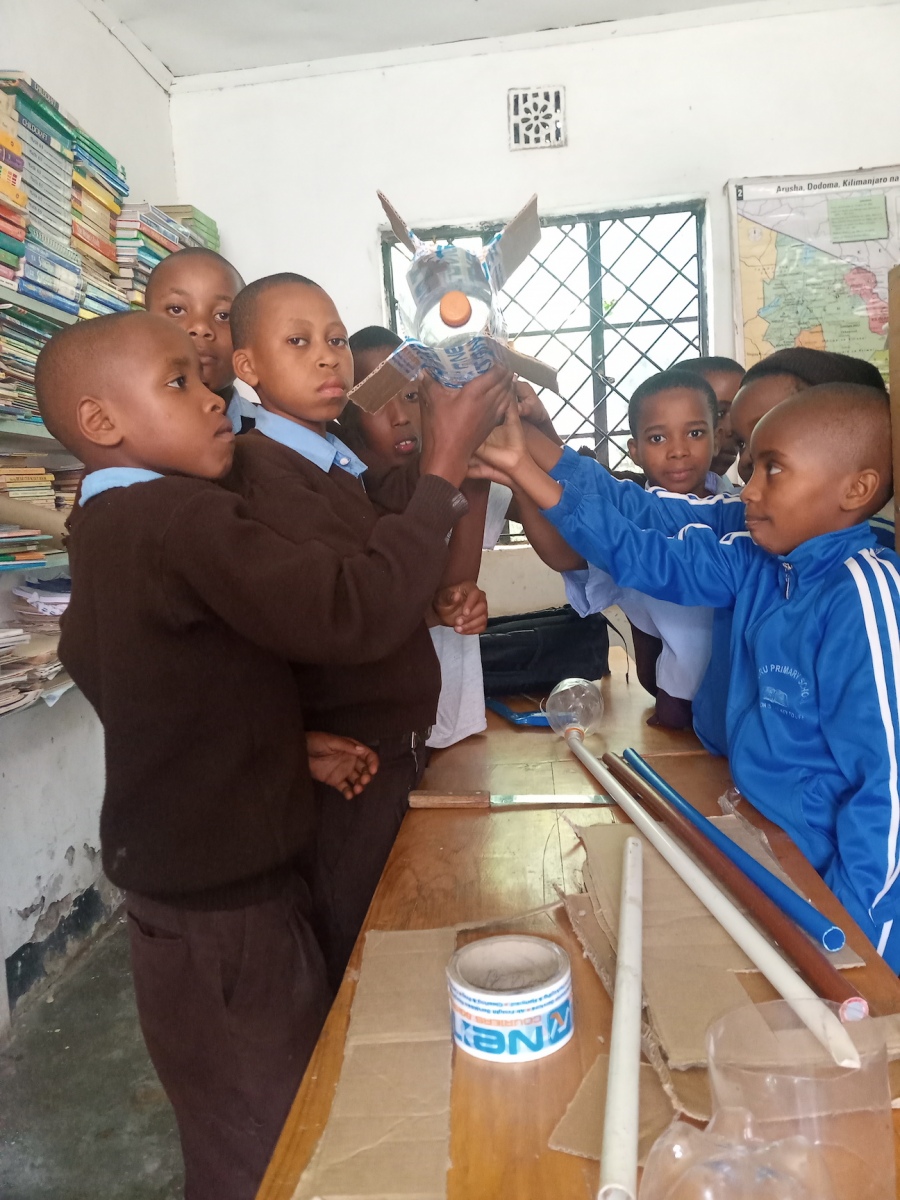
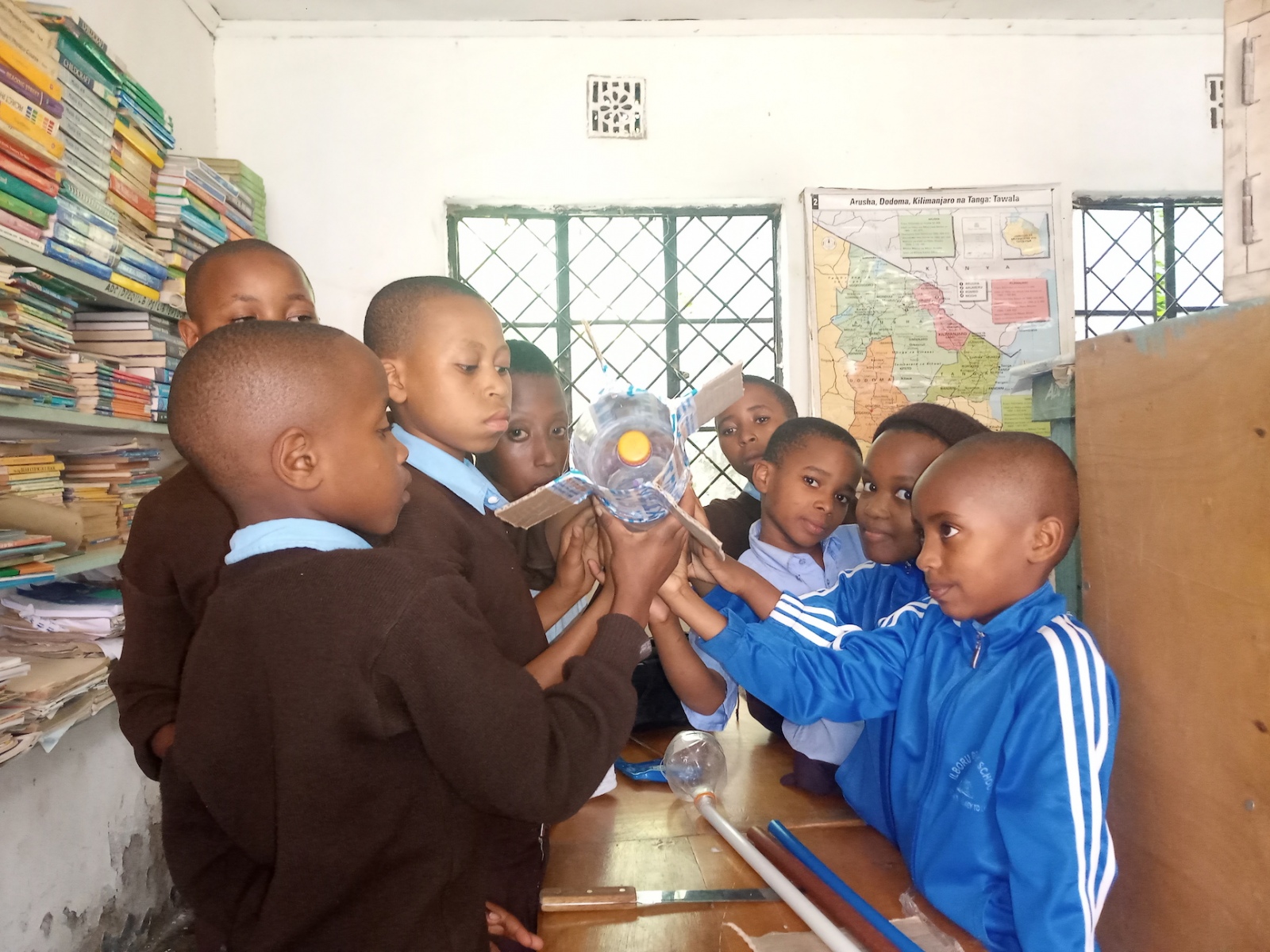
As per yesterday it can be seen that we use fins made of boxes that later we discovered that when [the rocket takes off] they get water and failed to properly well. But today we managed to change [the fins] and with very high speed like that of super jet speed!

Therefore since we started the project with my students they were very exited with it and always they asked me much questions, such as:

“Will it be possible to enter and insert a seat or chairs?”
“Does it mean that all rockets used the same water mechanism to fly?”
“What if a rocket fails to fly? Will there be any side effects to both animal and plant?”
“What are the necessary things to be adhered before launching?”

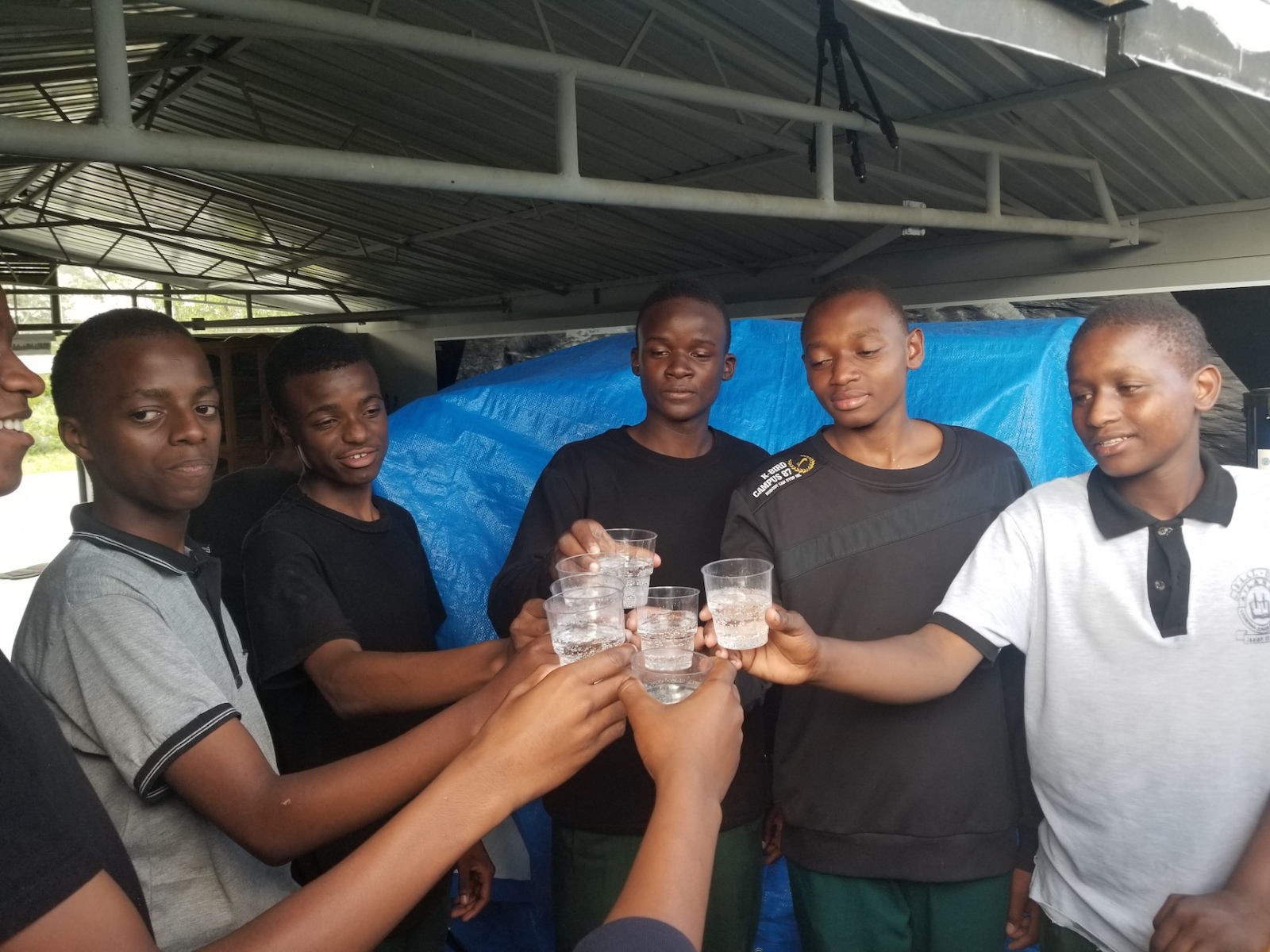
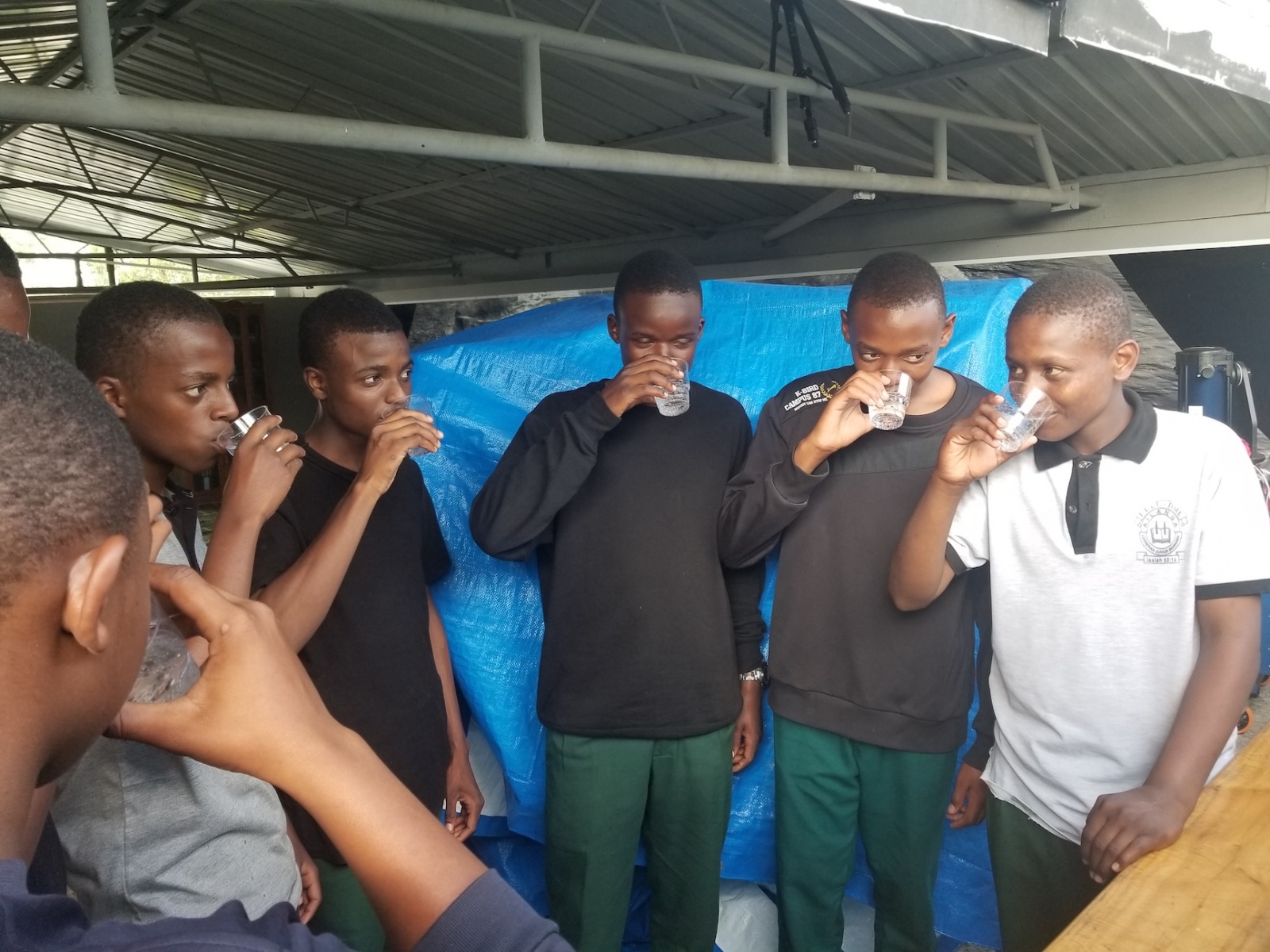
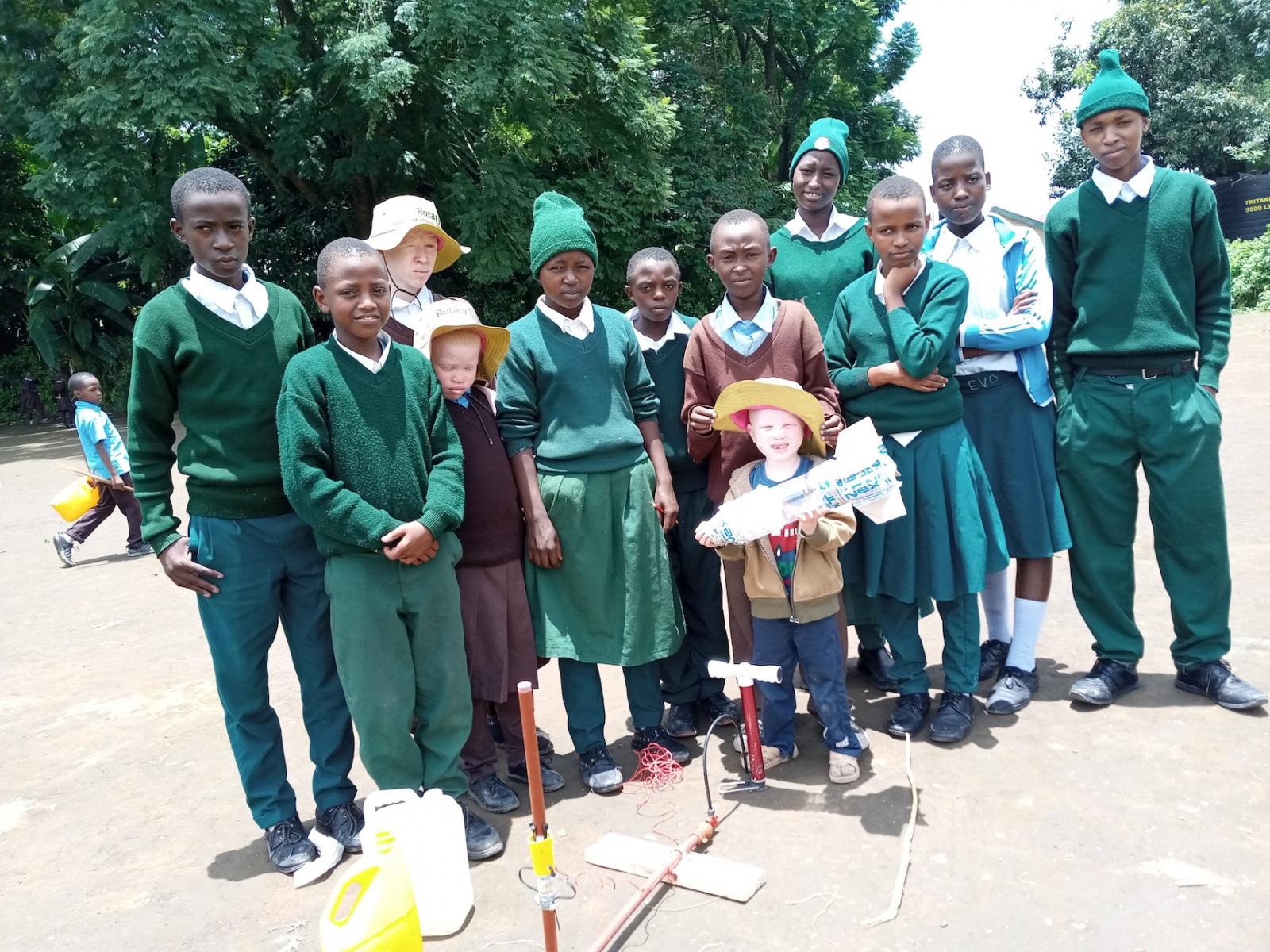
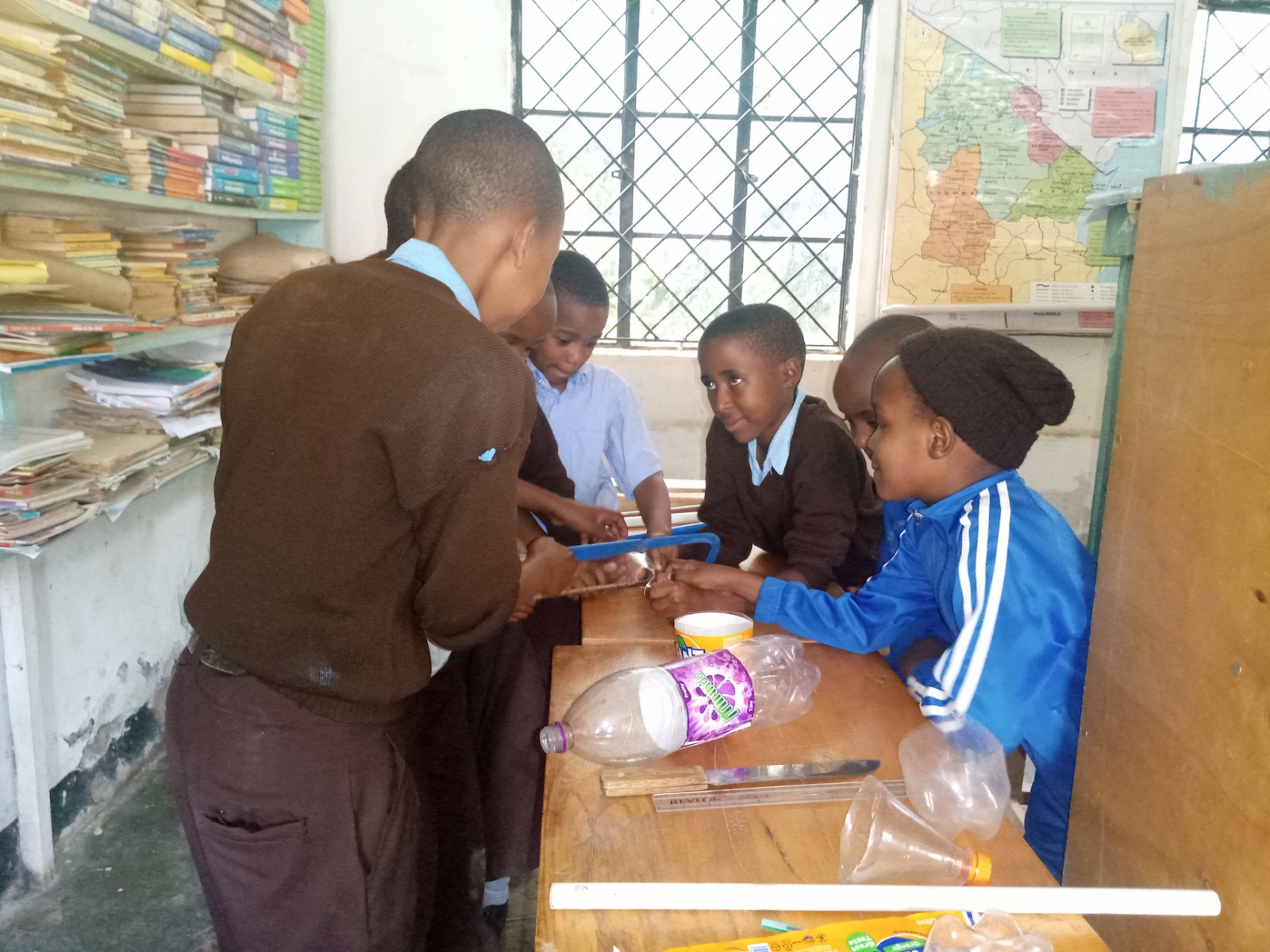
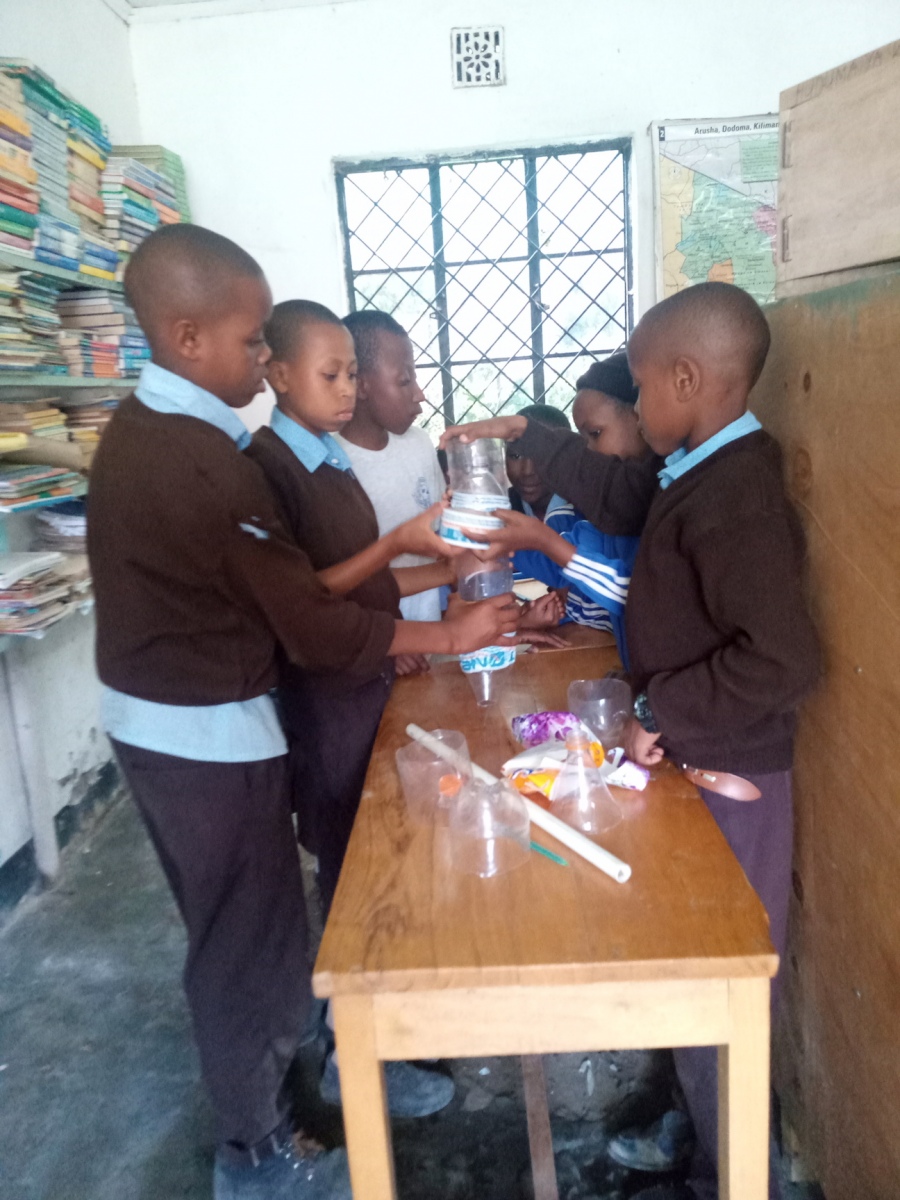
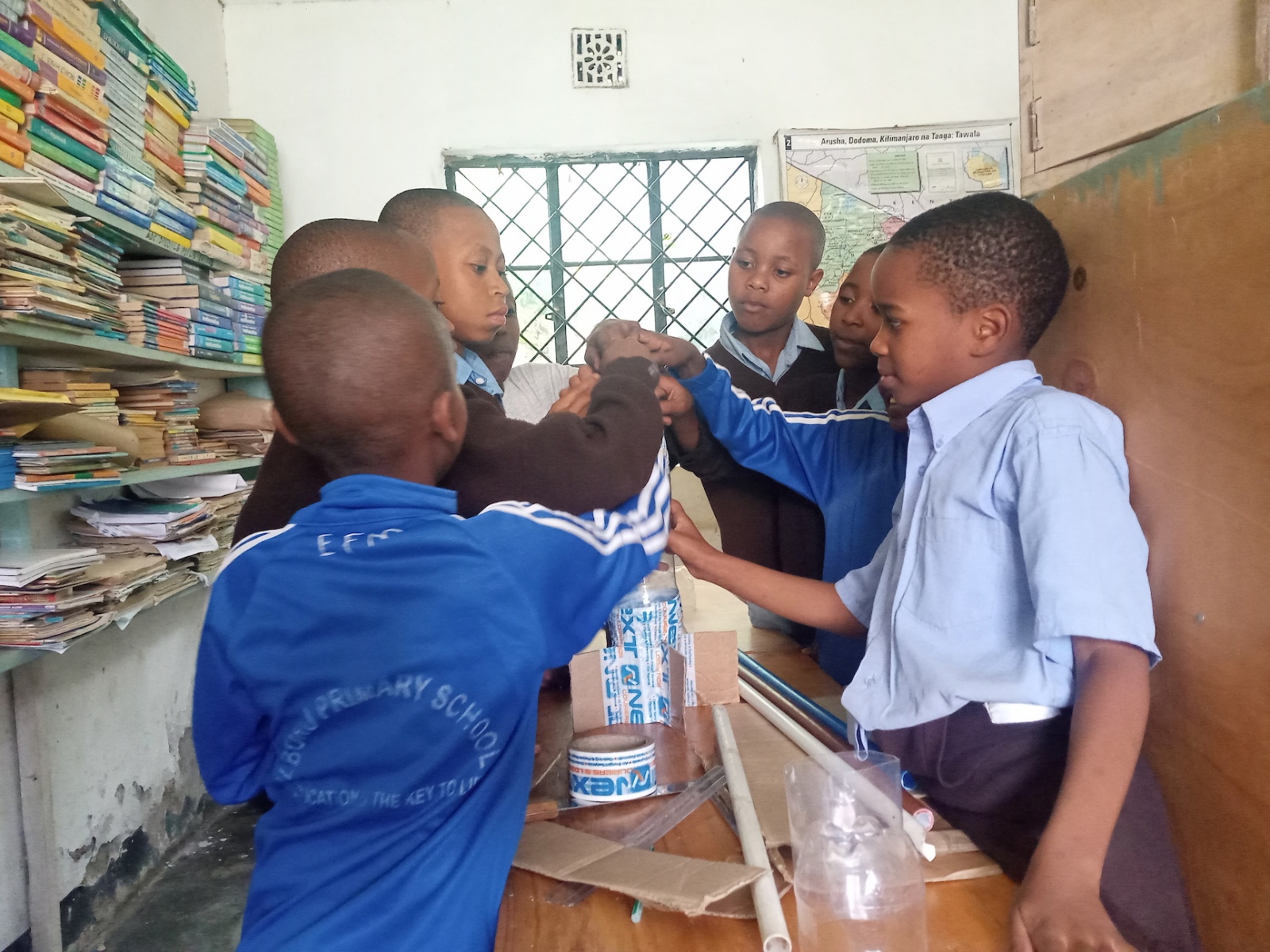
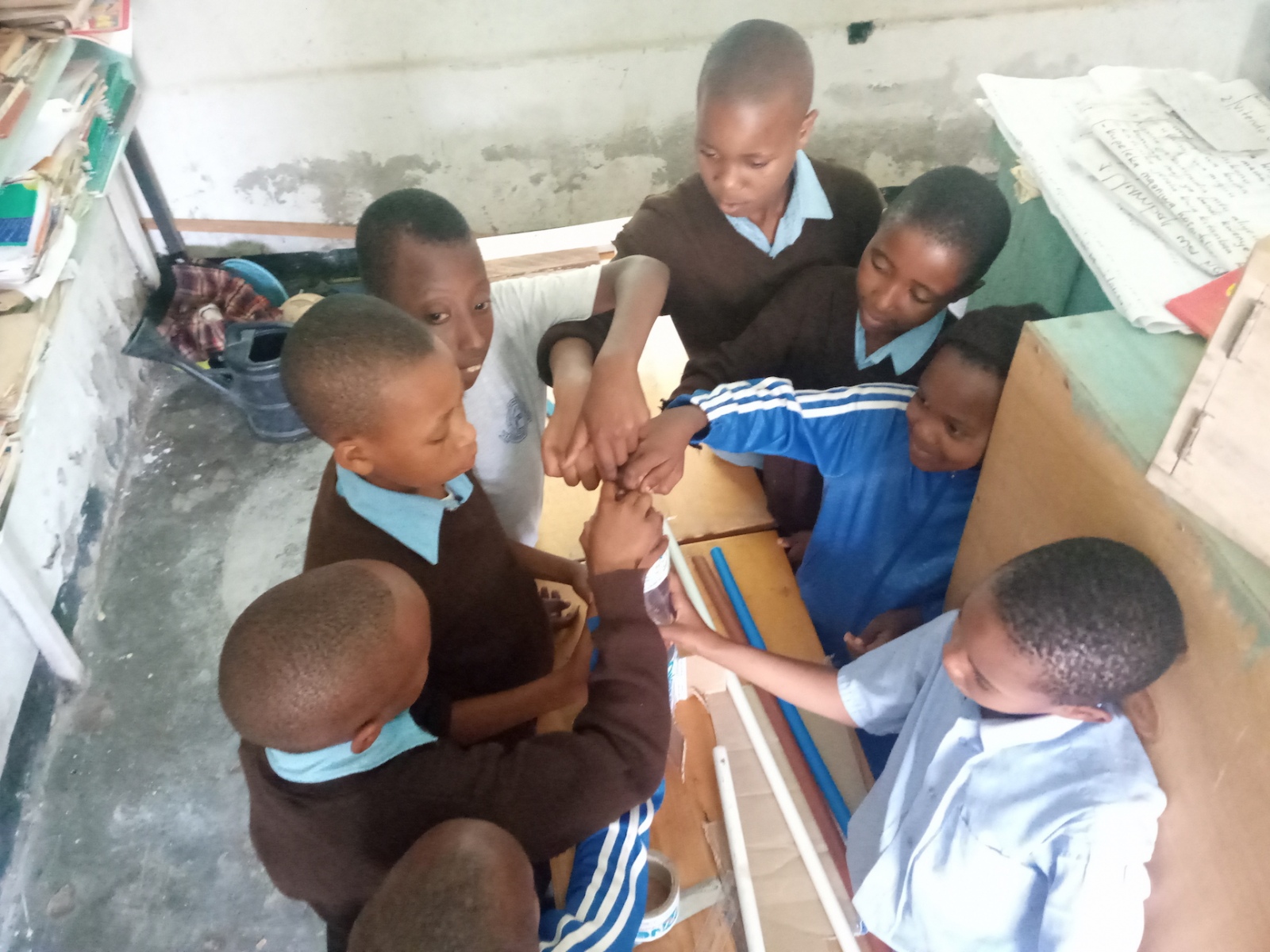
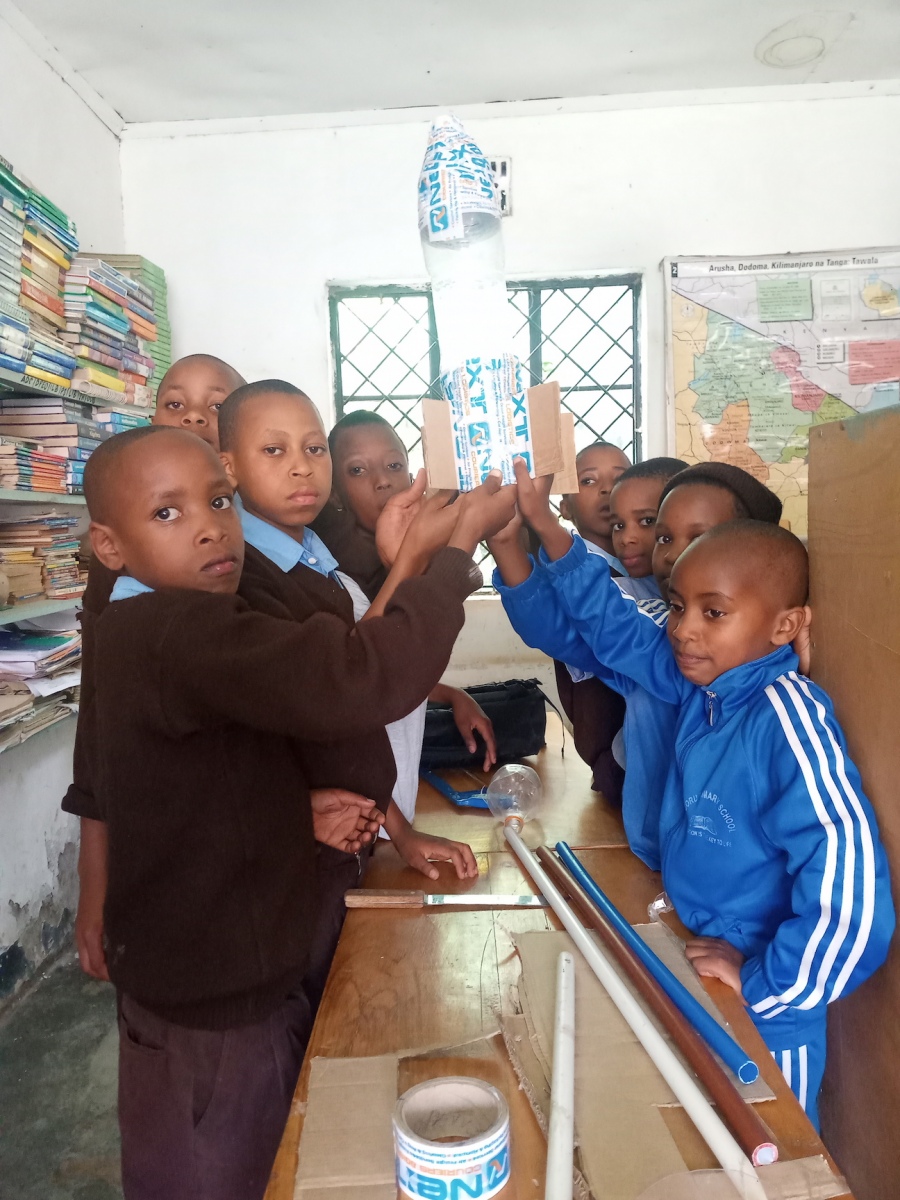
Also as it can seen on pics, those students with green pullover-sweater are those with special needs (both hearing and speaking), Albinism, and Intellectual Impermanent. For sure they enjoyed a lot as they can be seen trying to pump the water rocket. Not only that but also through the practice they have a message from their fellow students and intellectual world wide that even students people with disability they can do more and good things like others. Therefore we should stop the habit of despising [those who are challenged], telling them that they cannot.

Finally, Ilboru Primary school students say that through Astronomy we all can integrate and make be as one as we can be entertained, learn and show different talent that we have, you’re are all welcome to learn and enjoyed together. Thank you!” –Eliatosh Maleko, Instructor at Ilboro Primary School and Astronomy Ambassador for the Mt. Meru Astronomical Observatory.

Launching water rockets at Ilboru, Tanzania!

Instructor and Astronomy Ambassador for MMAO Eliatosha Maleko writes, “For my school [this] was very, very fantastic because many students and teacher were amazed. From the beginning they didn’t know what was going on but later some of them were trying to guess [if] it is a boom. Later when I was trying to launch they realized that it was a rocket!

Second this project involves pupils from Standard 5 and 6 whereby they are about 10-14 years old. I decided to use pupils of this age because most of them the old enough to receive different instruction and old enough to participate in different creation activities, though all students are able to do that. Also for the lower classes they were observing and asking many questions about it.

Also I am happy that students [from] a nearby school were [also] here as it was the sports day and their teachers were amazed with this project. Therefore the project is very important to educational purposes due to the fact that it enhances curiosity and innovations to the students apart from receiving knowledge in the class room.

Five … Four … Three … Two … One! Lift-off!

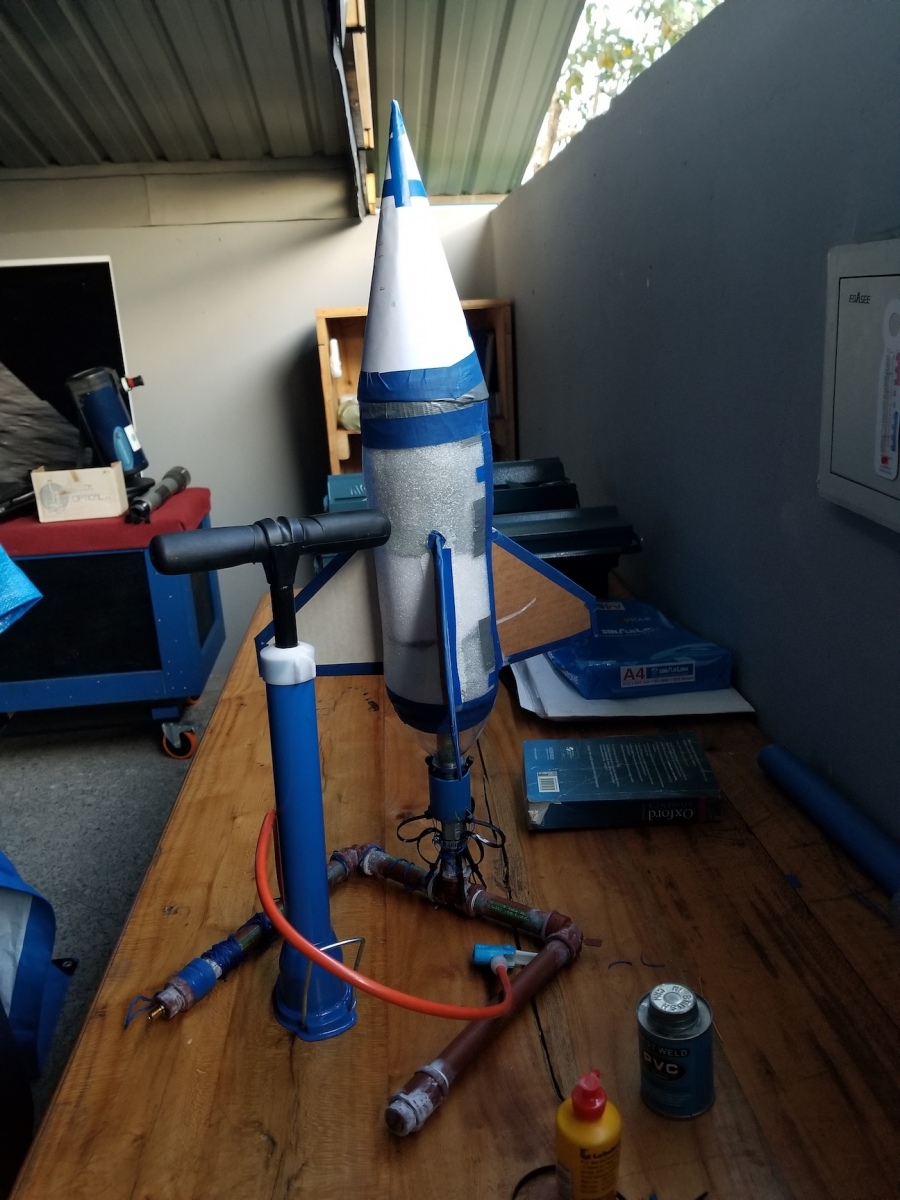
Saturday and Sunday saw the students of Ailanga engaged with Zacharia, Eliatosha, and Pandaeli in the design, construction, and launch of their first water rockets! This is the culmination of weeks of research, parts acquisition, and preparation.

While the students have designed far more sophisticated rockets, these first three launches test the launch pad, release mechanism, and launch vehicle. Already experiments are in motion to understand the physics and variables that define the altitude achieved: water to air ratio, mass of water, and pressure applied through the bicycle pump given the volume of the bottle.
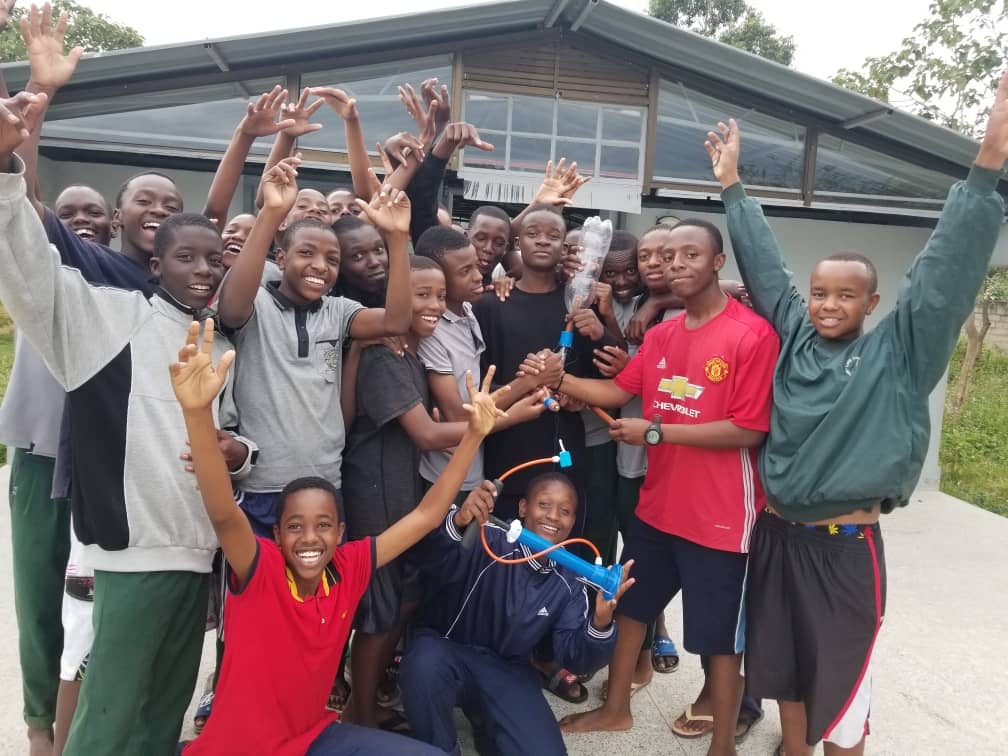
For many of these students, this is their first hands-on, do-it-yourself experiment of any kind. At MMAO this is surely the first of many more to come!

Making water rockets at Ilboru, Tanzania

MMAO - Elliatosha's students build water rockets!

Eliatosha Maleko, Astronomy Ambassador to MMAO and instructor at the Ilboru Primary School. Established in 1950, Ilboru is uinque among the government schools in that it offers a special education unit students who have hearing disabilities (deaf), mental disabilities, (hangamoto ya ufahamu), and tailoring to blind students. It is located in Arusha District, Ilboru ward. Every year the school enrolls new students to join from different level of education, such as kindergarten, Form One, etc. There are 1655 students and 40 teachers as of 2018.

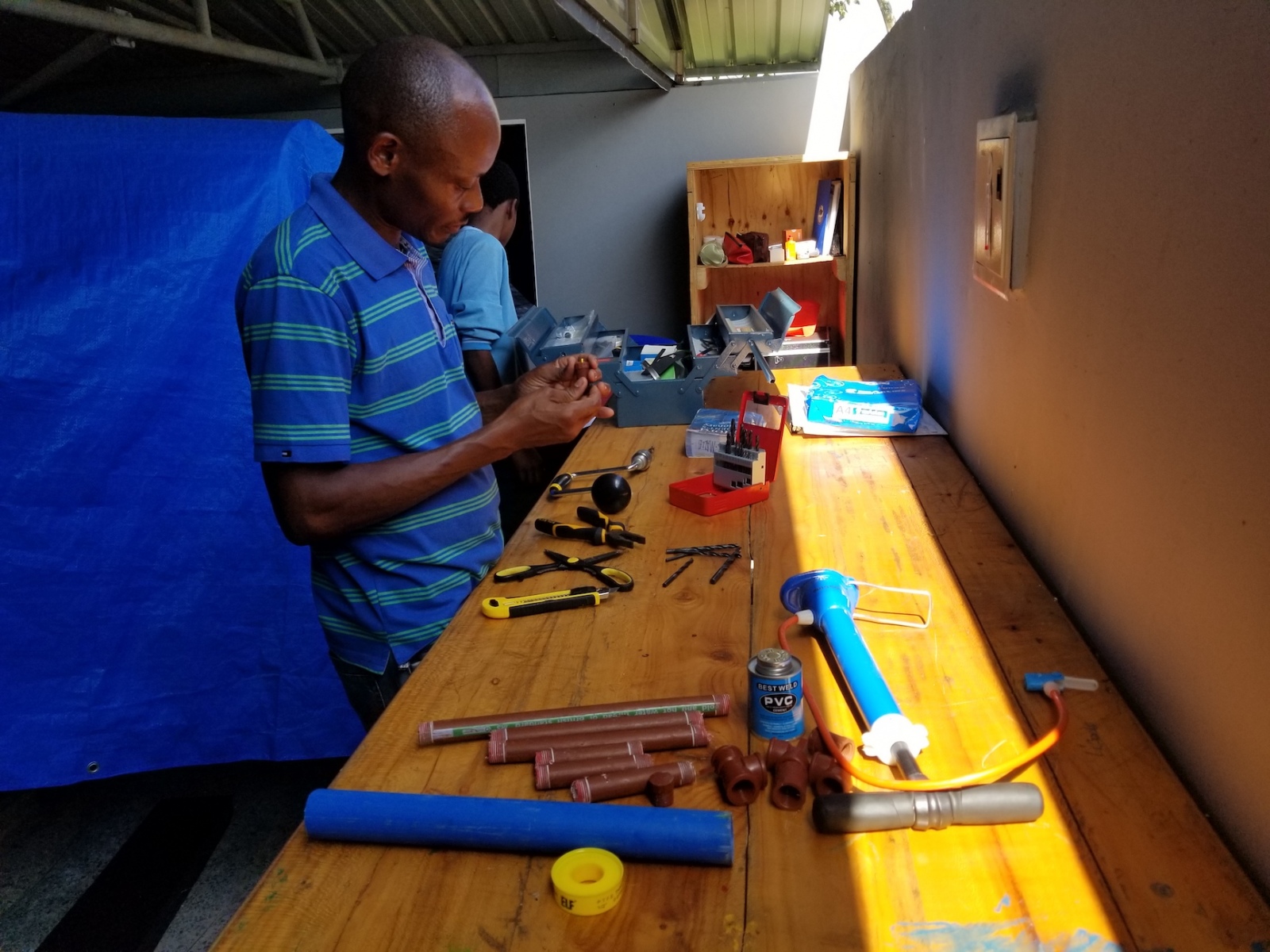
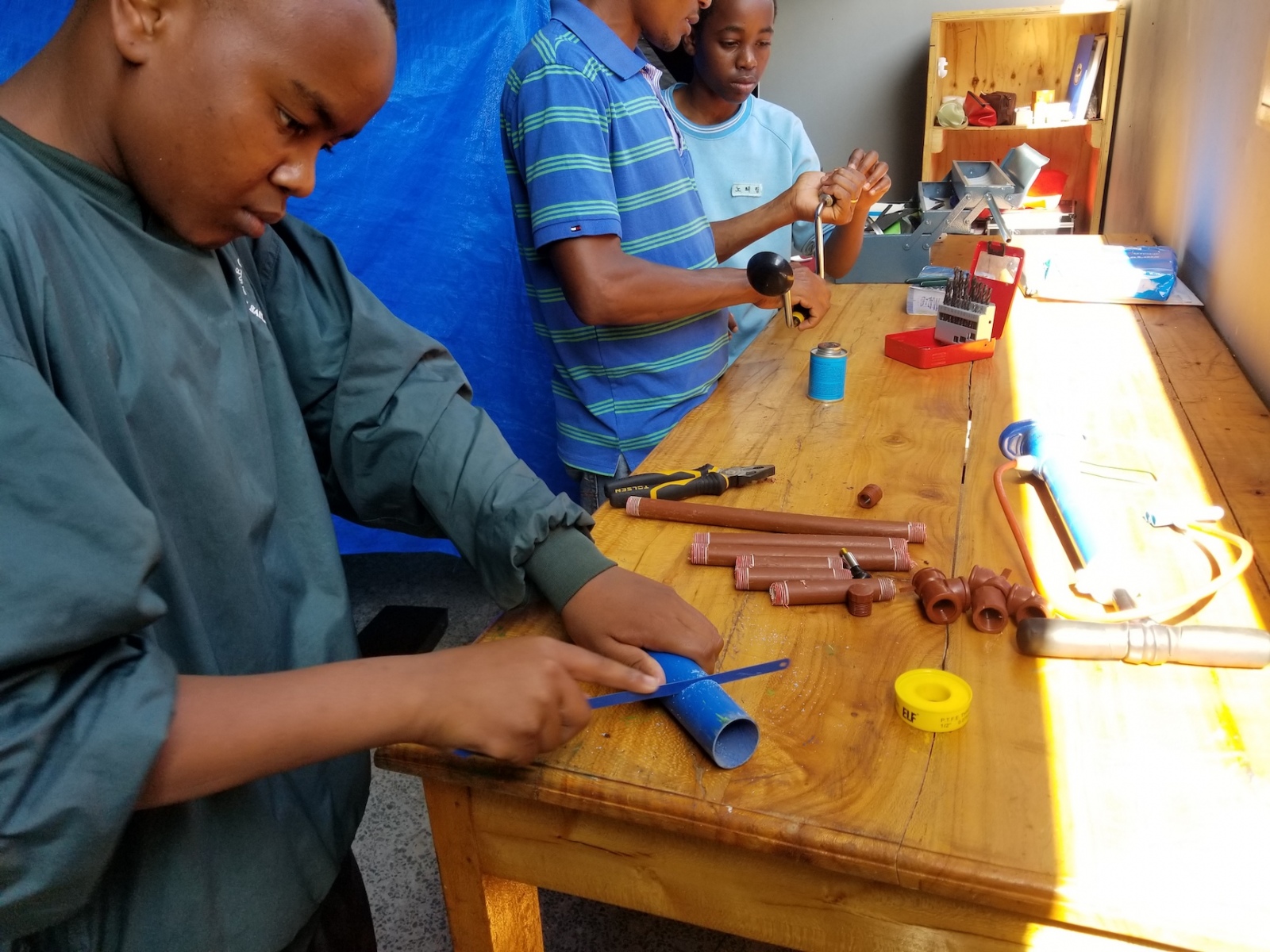
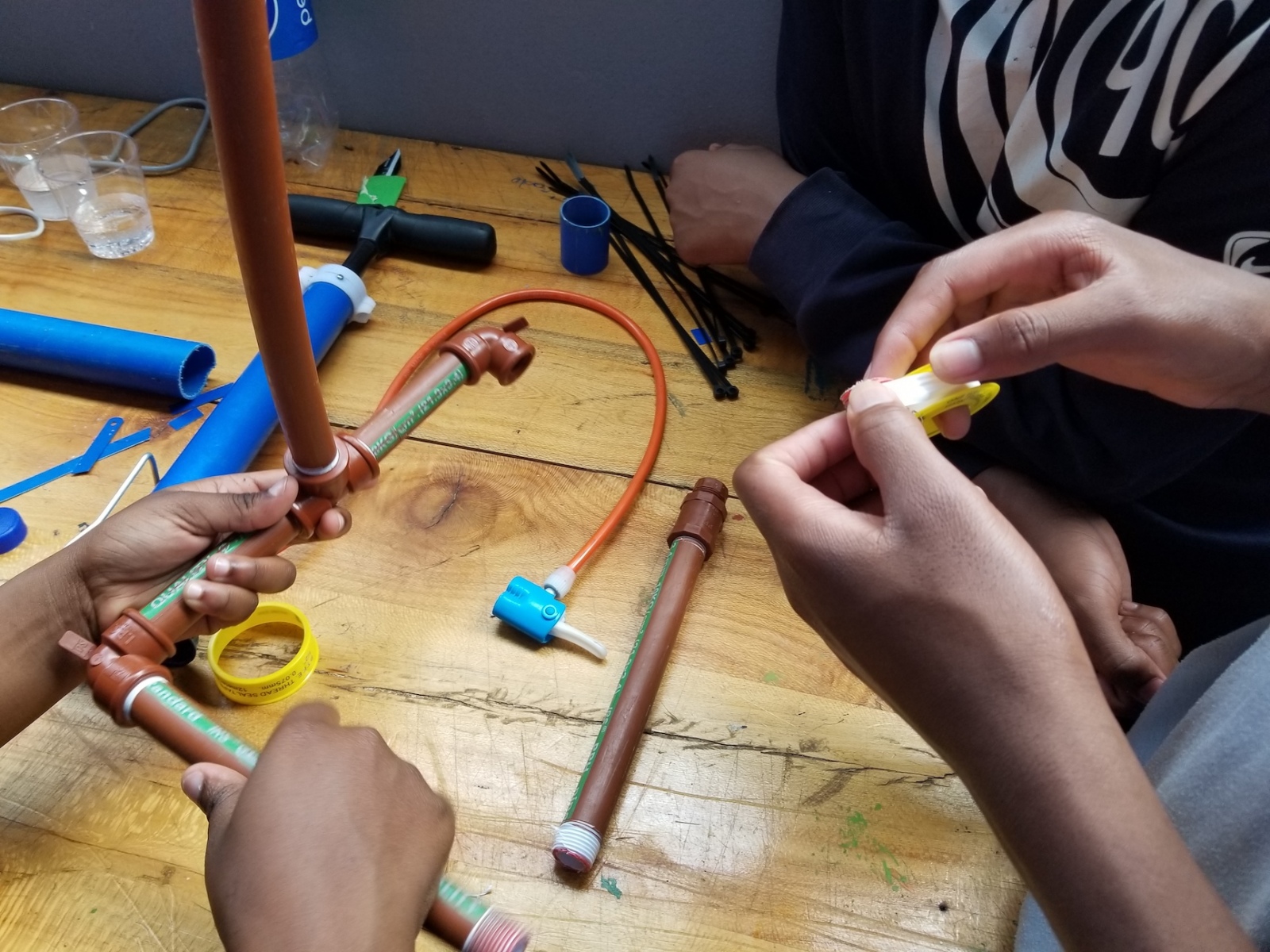
Eliatosha offers the following update for his work with his students to build a water rocket program, “Hellow Mr, Kai! I with my students are very happy to share little things with our fellows [across] the globe. Through visiting different websites and YouTube videos, I have met different friends all around, especially from Pakistan. What I have learned from all those people is how they managed to make water rocket project by using simple and few things that are not cost full compared to others.

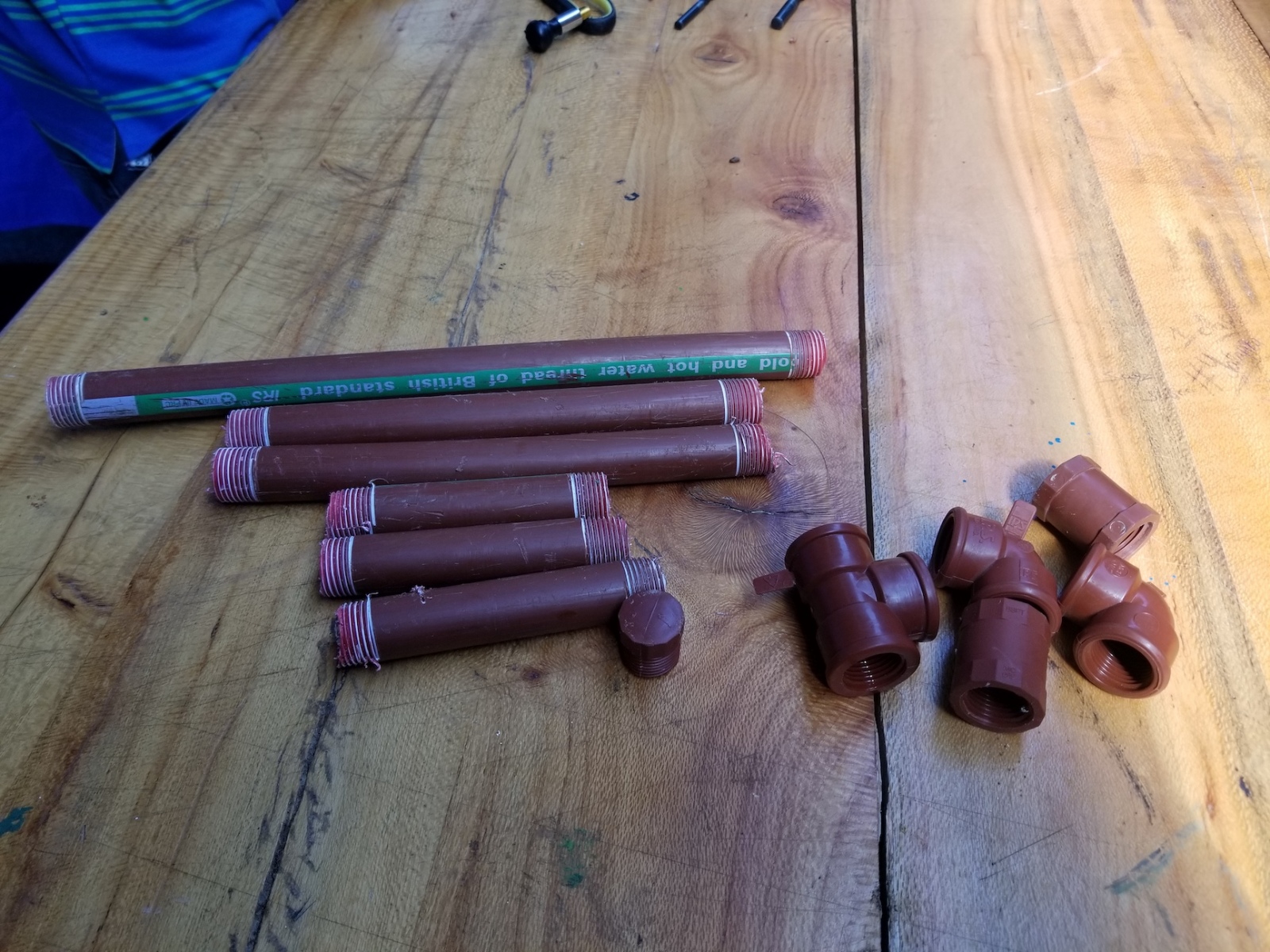
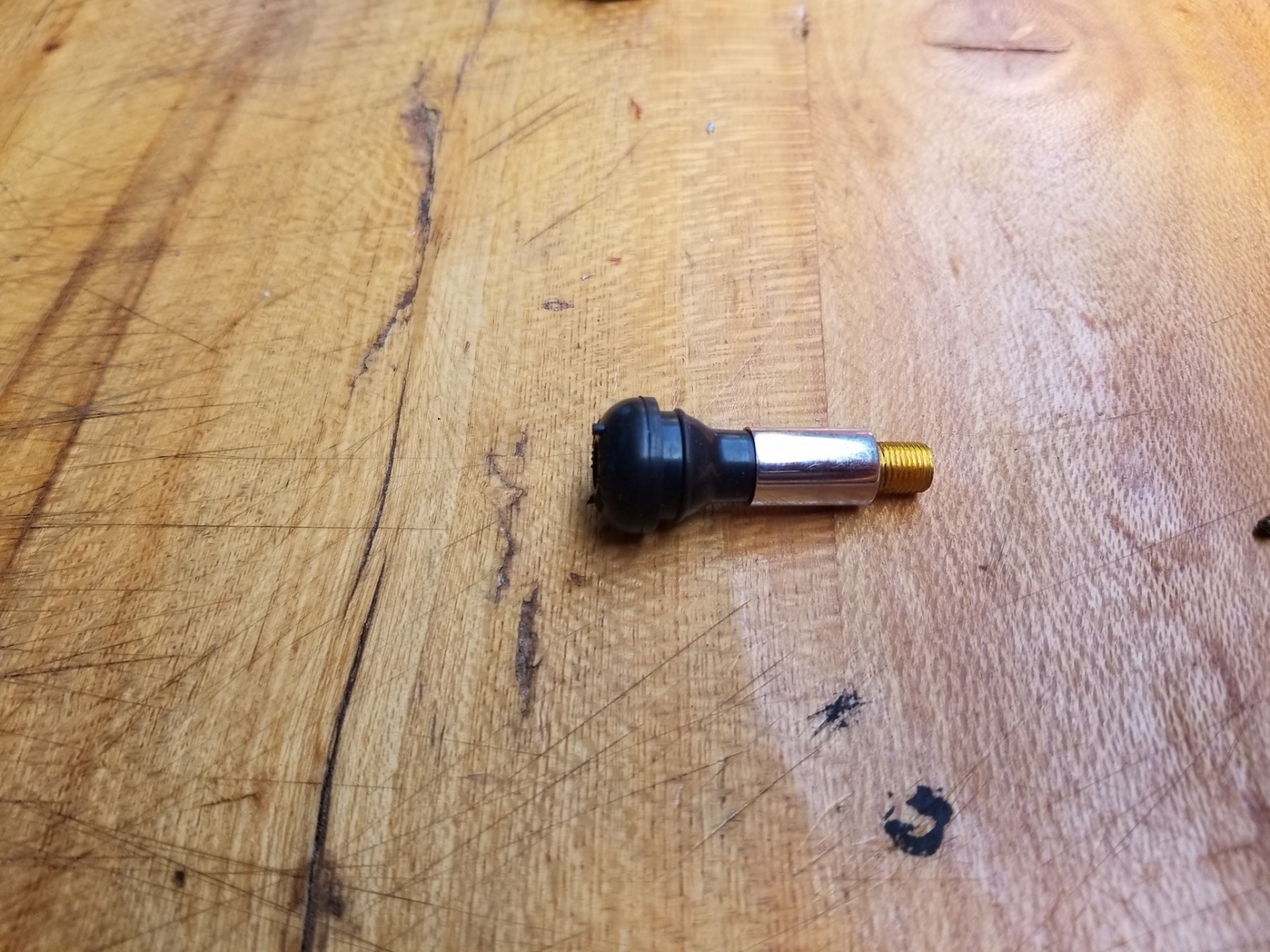
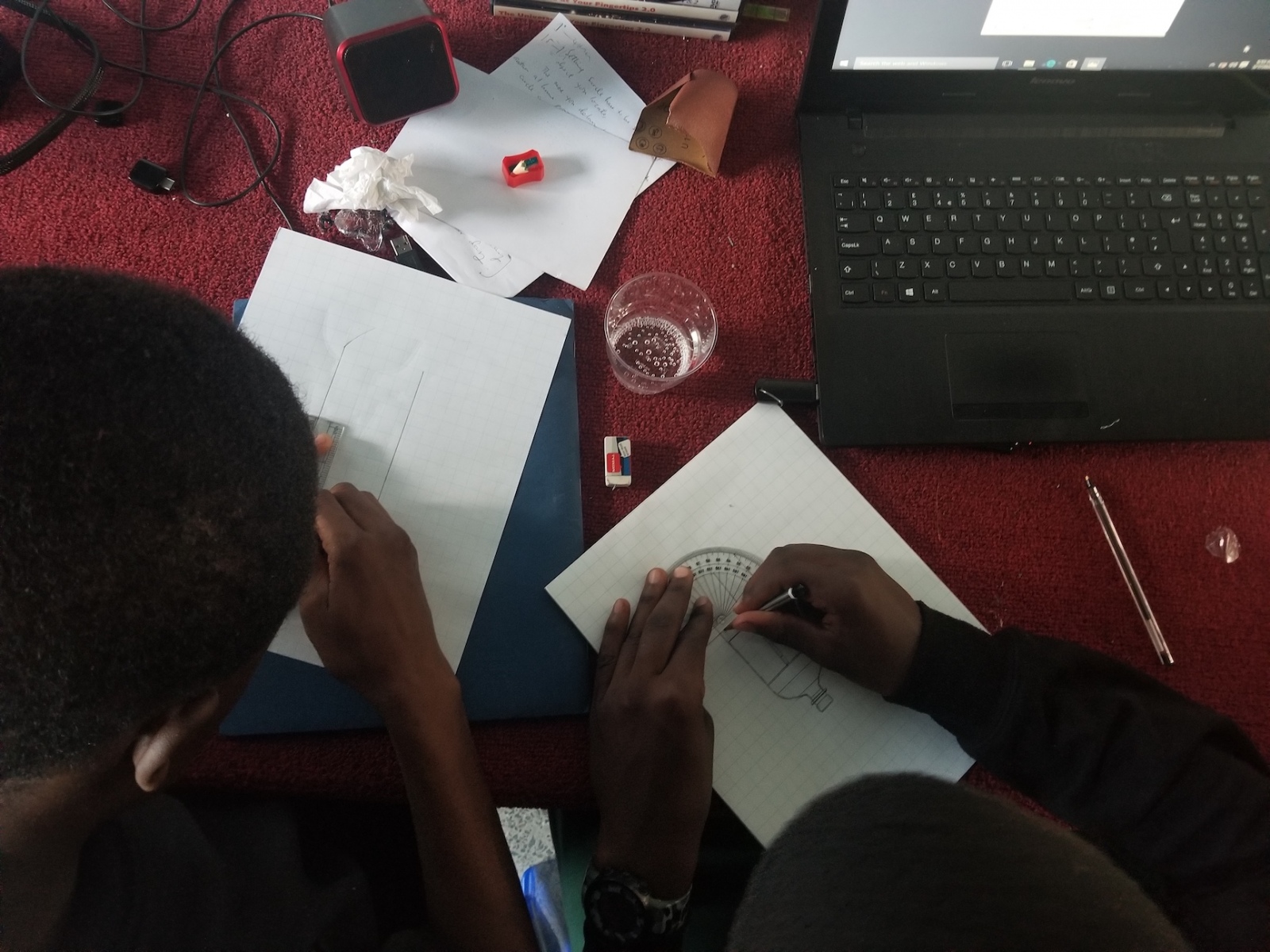
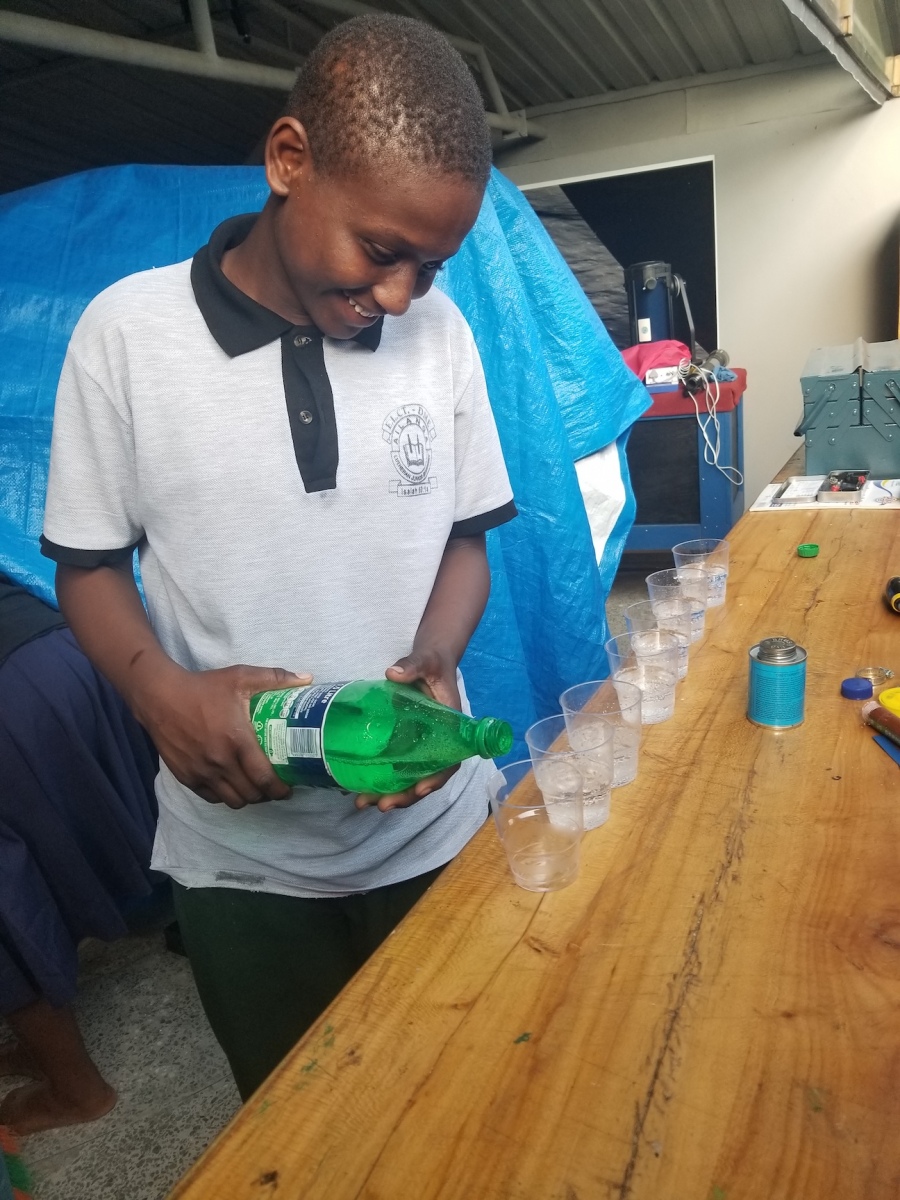
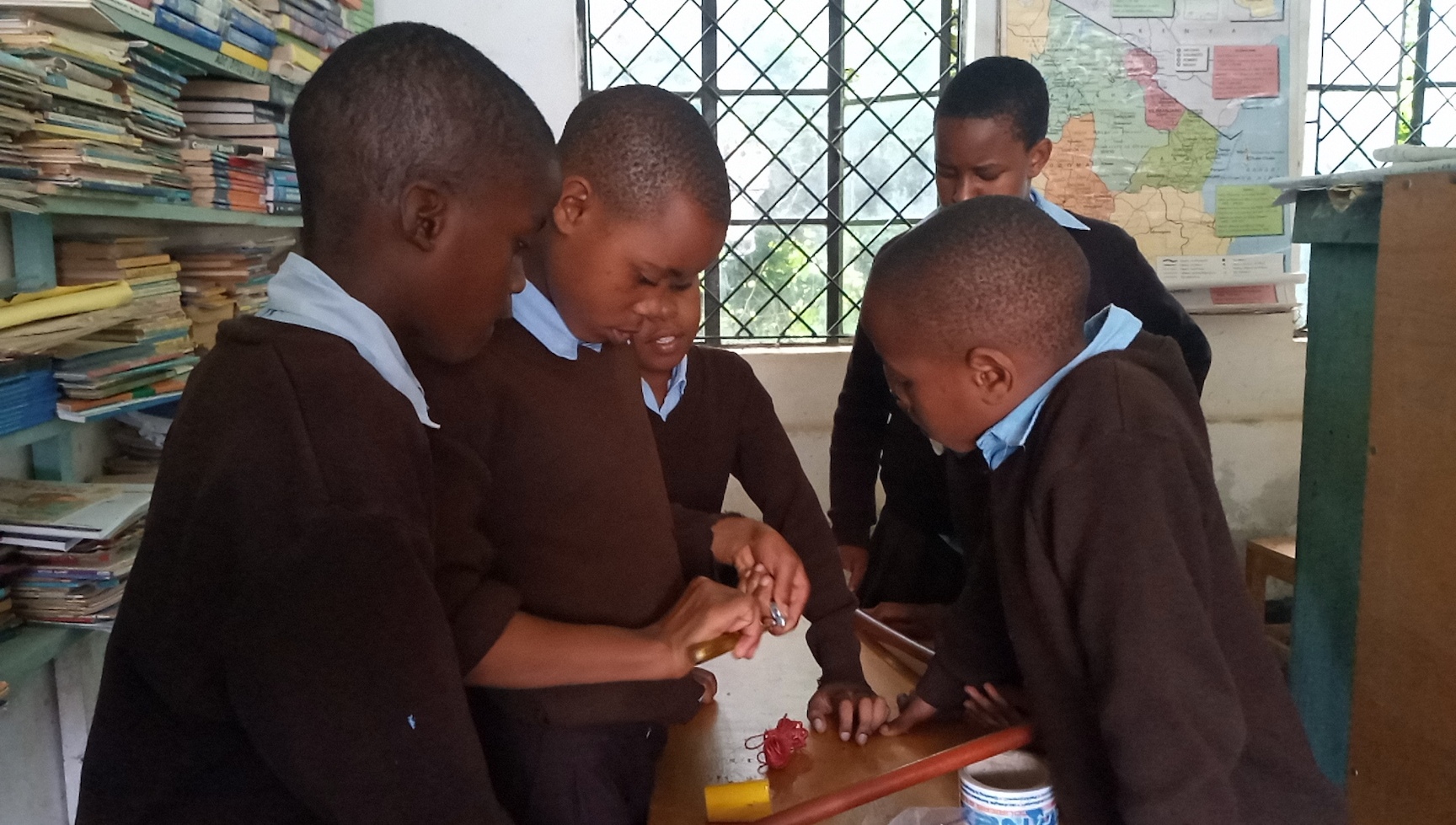
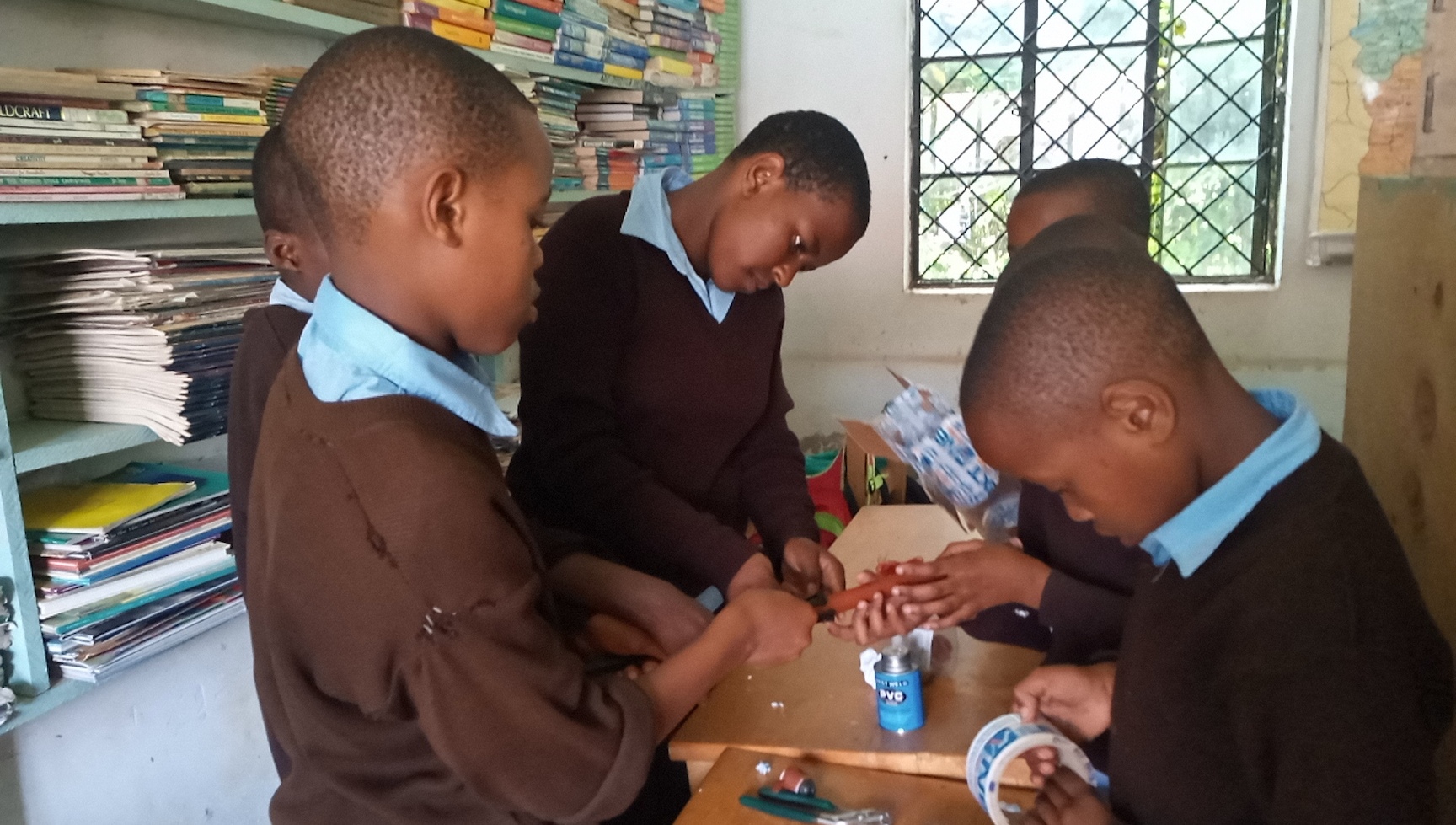
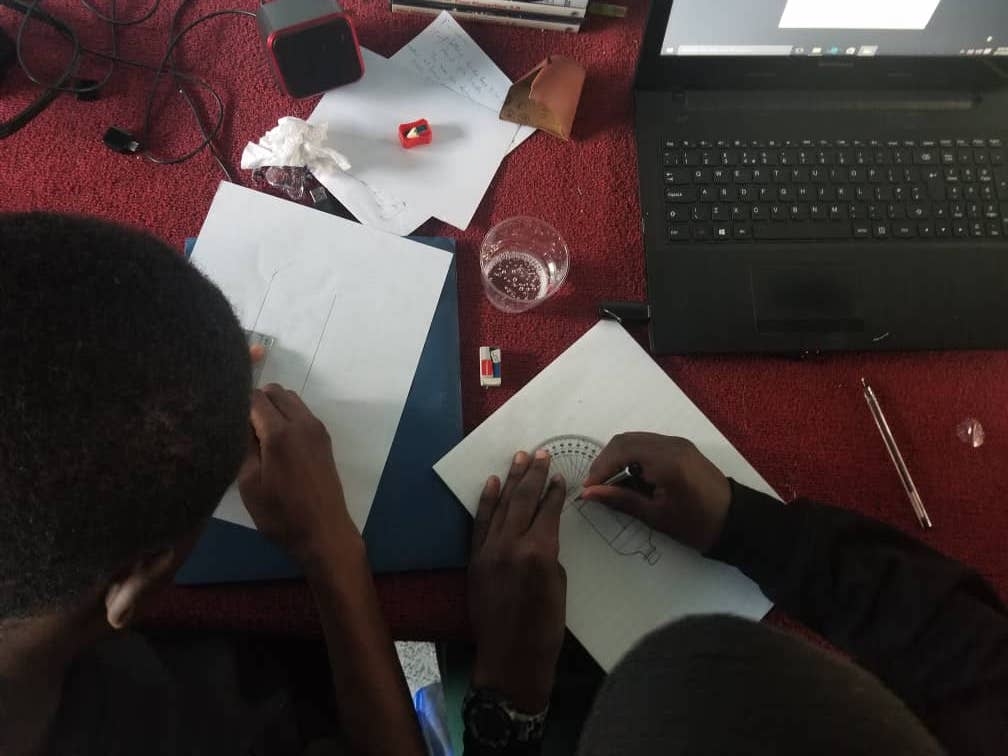
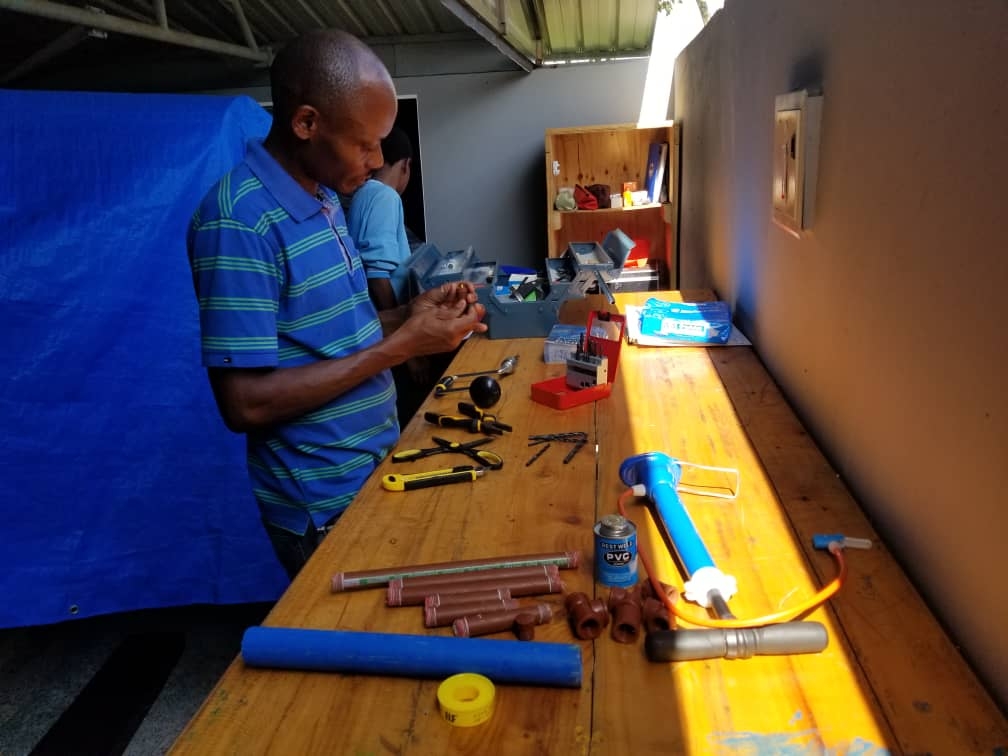
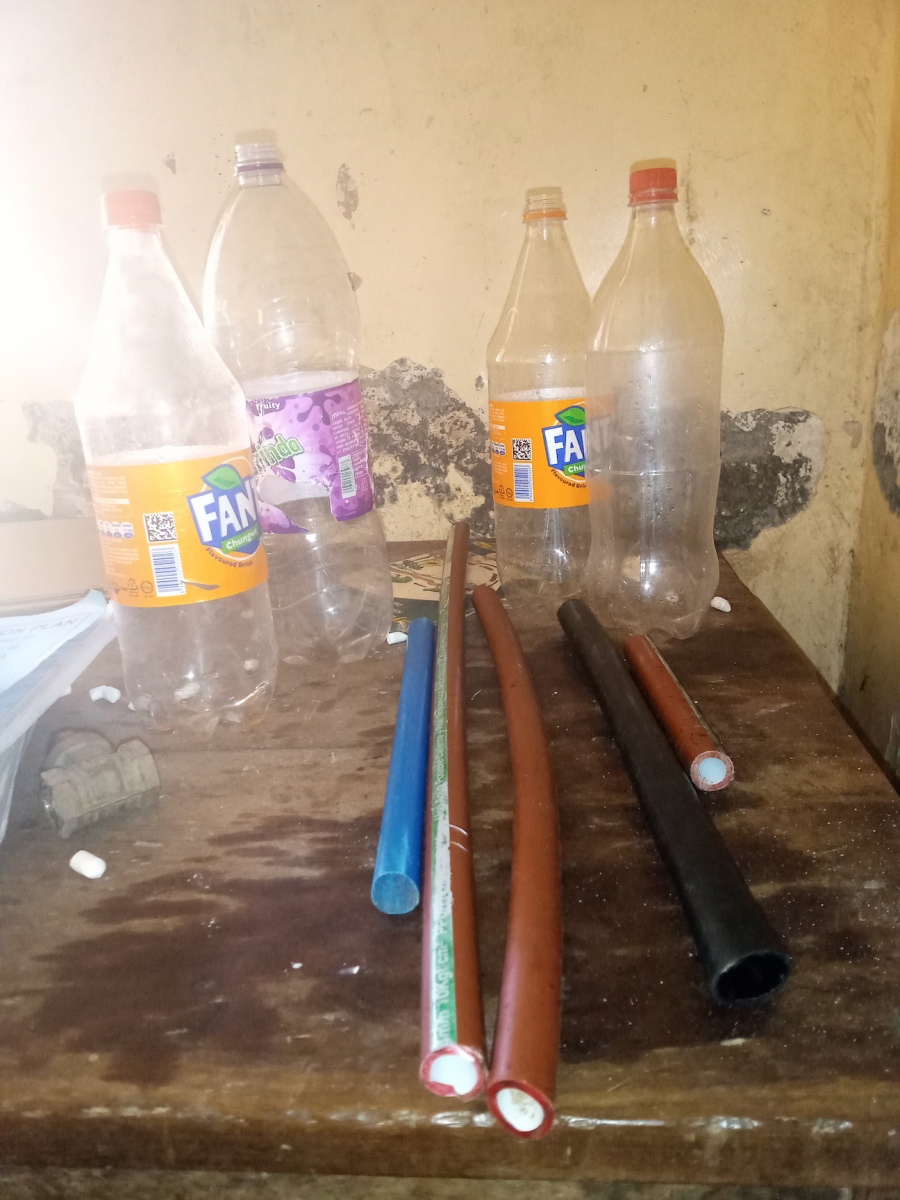
Since we had started planning for this project we have few challenges, especially funding to buy [the required] connectors. Therefore with my students we started by gathering different things (as explained above) and we managed to do this! As you know that every thing we must be creative before doing it.

We managed to start to assembly and connecting some parts, especially bottles and rocket fins.

Viewing the Moon for the very first time

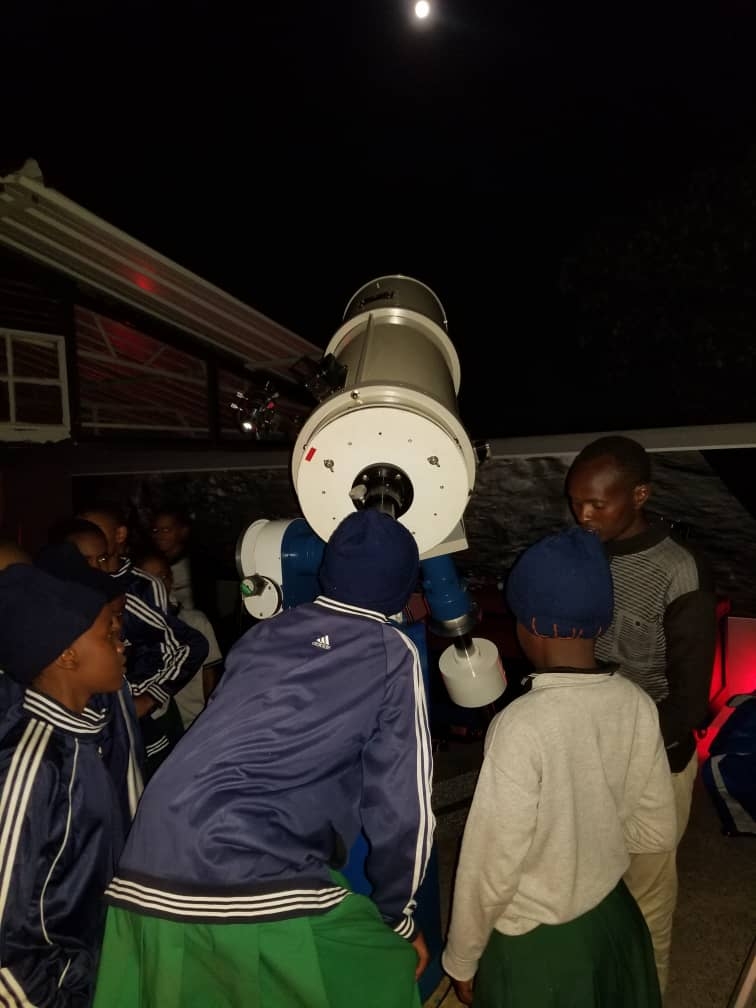
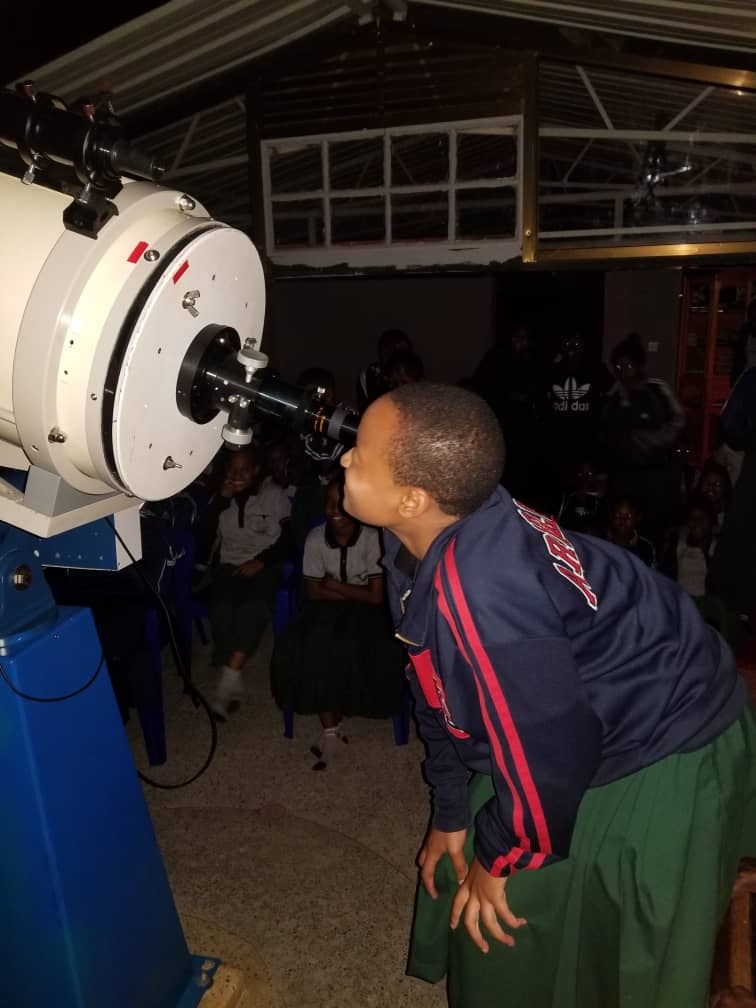
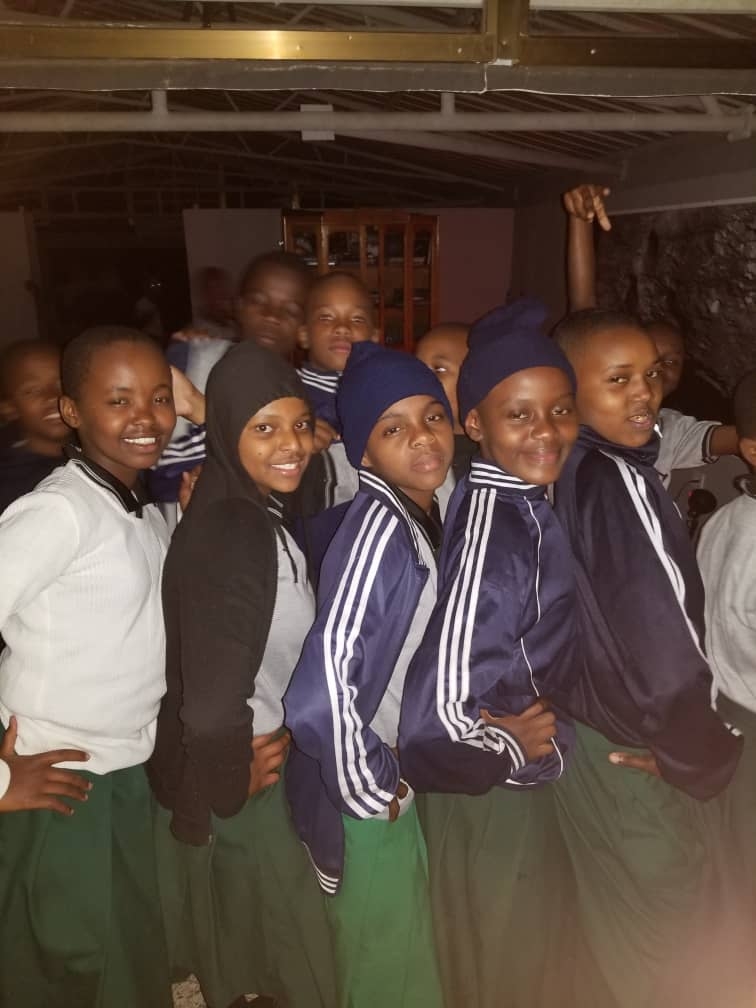
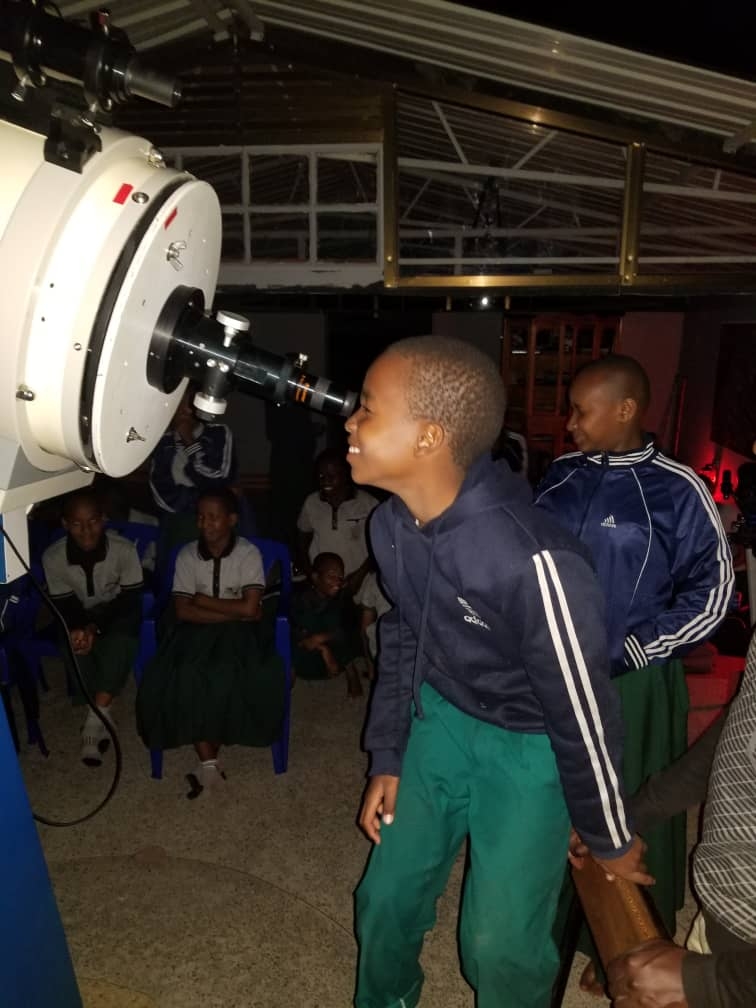
MMAO - observing session Astronomy Ambassador Zacharia Mujungu, instructor at Ailanga writes, “This past Saturday we enjoyed the first clear sky after an unusually long, long period of rainfall. I and Pendaeli hosted Form One students at the MMAO observatory. They were so excited to observe the Moon and Venus through the telescope for first time in their life. This big smiling faces is the indicator that this telescope is the cornerstone for science revolution in Tanzania. We feel indebted to do more and go extra miles to make it available to all students in the country, [working to] change the classroom learning environment by encouraging hands on activities (DIY), not just test scores.

Physics educator Dan Heim attends MMAO Ambassadors call

For more than 30 years retired high school physics instructor, amateur astronomer, and professional writer Dan Heim provided students with the joy of learning the fundamentals of physics, both here on Earth applied to the skies above.

In the fall of 2018 Dan was instrumental in rebuilding and upgrading the 12″ Cave-Cassegrain telescope now in use at the Mt. Meru Astronomical Observatory, Tanzania. He has since remained engaged with MMAO, working to guide applied science instruction at the observatory and in the classroom.

Dan guided MMAO to the freely available Harvard Project Physics text books (https://archive.org/details/projectphysicscollection), the same used in his own classrooms. Having read Unit 1 of the Physics Handbook, the MMAO Ambassadors invited Dan to join in a live SKype session, to answer questions invoked by what they had read.

Thank you Dan!

200 Students visit the observatory!

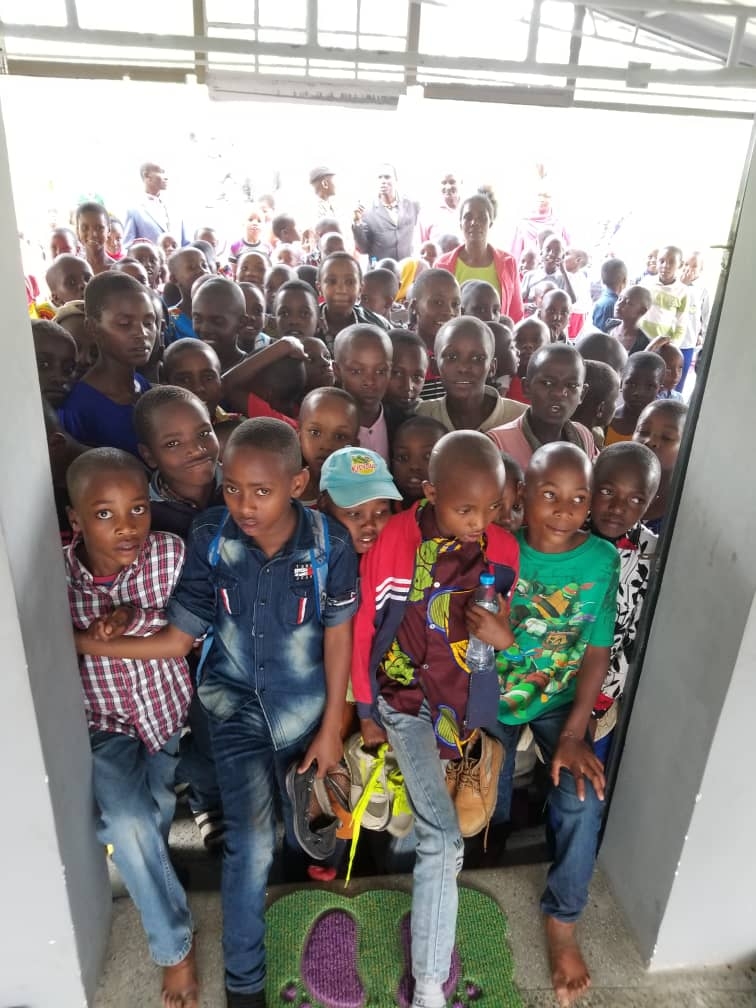
MMAO - 200 students visit the observatory After a long, seemingly endless three months of rain, the sun has come out and the students have arrived –in droves!
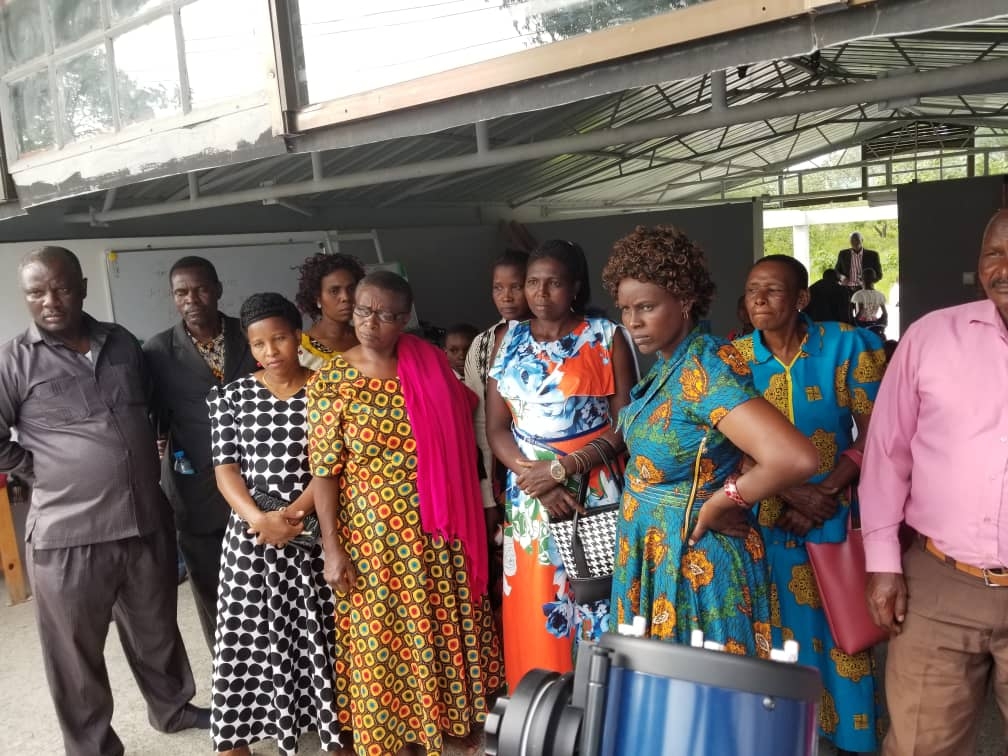
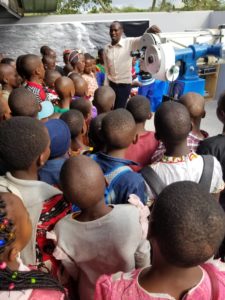
Zacharia writes, “Today, Pendaeli and I received 200 Confirmation students and 15 teacher from Mulala Parish which is made of three sub-parishes, Kilinga, Kyuta and Mulala itself. They came for a youth conference hosted by Ailanga and led by the Bishop of the Diocese of Meru. This is the first big group we ever received–and it was really big!

“They visited our observatory and we were able to give a short tour for them, explaining what [astronomers] do. The kids were so exited to see such a big telescope, something they never knew it is existing. For example one young boy didn’t want to leave the observatory until he could see through a telescope. So we provided him a small telescope and in the end he left with a great memory.

“The teachers promised to come back and make appointment for night observation.”

What a day!